How to Tell if Your Oxygen Sensor Is Failing
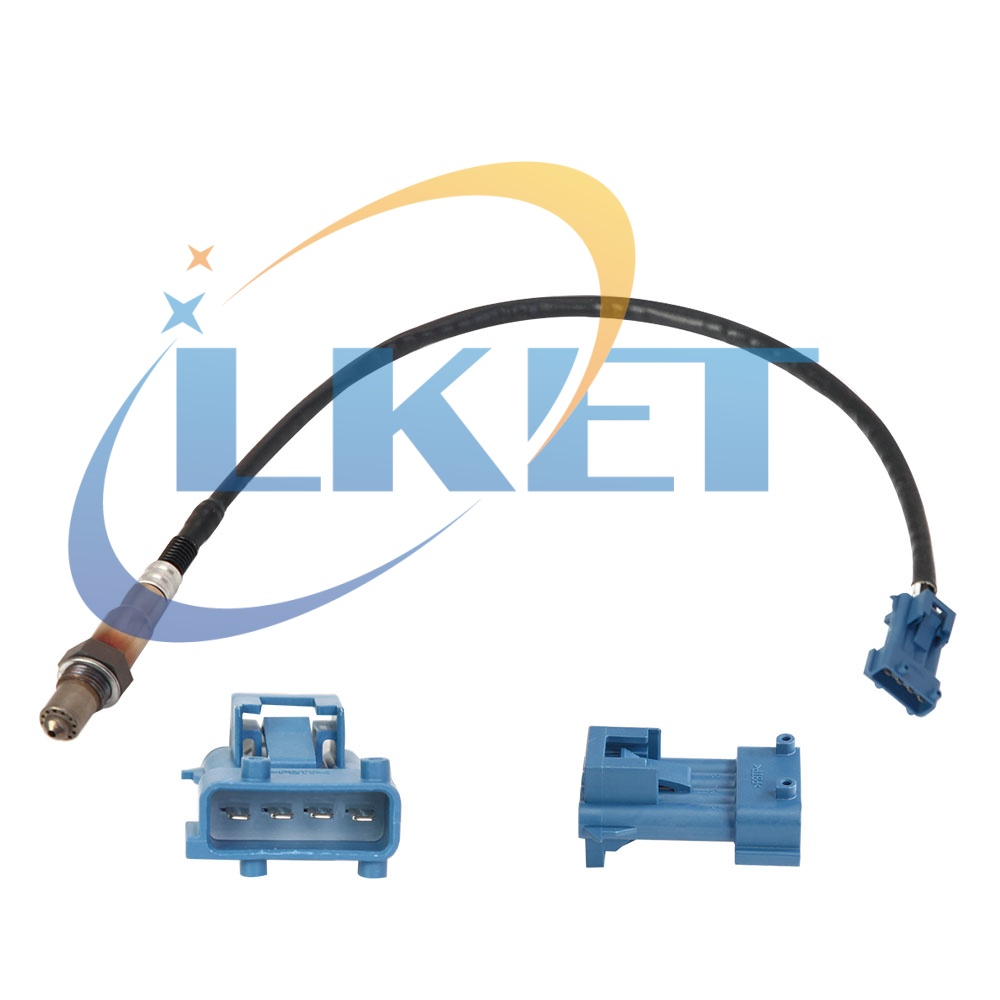
The oxygen sensor (O2 sensor) is a critical component in your vehicle’s exhaust system. It monitors the amount of unburned oxygen in the exhaust gases and sends this data to the engine control unit (ECU). The ECU then uses this information to adjust the air-fuel mixture for optimal combustion. A faulty sensor can disrupt this process, leading to poor performance and increased emissions. Here’s how to identify a failing O2 sensor.
1. Check Engine Light Illuminates
The most common early sign of a problem is the illumination of the Check Engine Light (CEL). While the CEL can indicate various issues, a diagnostic scan tool will often reveal an oxygen sensor-specific trouble code (e.g., P0130 – P0167). However, note that other engine problems can mimic a bad O2 sensor, so further investigation is needed.
2. Poor Fuel Economy
A malfunctioning sensor may provide incorrect data to the ECU, causing it to miscalculate the air-fuel mixture. Often, the ECU will default to a rich mixture (excess fuel), leading to a noticeable and sudden drop in miles per gallon. If you find yourself visiting the gas station more frequently without a change in driving habits, a faulty O2 sensor could be the culprit.
3. Rough Engine Performance
An imbalanced air-fuel mixture can cause rough idling, engine misfires, hesitation, or even stalling. You might feel the vehicle shaking at a stoplight or experience a lack of power during acceleration. These symptoms occur because the engine is not running at its optimal efficiency.
4. Failed Emissions Test
Since the O2 sensor plays a key role in controlling emissions, a faulty one often leads to a sharp increase in harmful exhaust pollutants. If your vehicle fails an emissions test due to high levels of carbon monoxide (CO) or hydrocarbons (HC), the oxygen sensor should be one of the first components inspected.
5. Unusual Smells and Sounds
A persistently rich fuel mixture can cause the catalytic converter to overwork and eventually overheat. This may produce a distinct rotten egg smell (from sulfur) coming from the exhaust. In severe cases, you might also hear a rattling noise from the converter, indicating it has been damaged due to the incorrect fuel mixture.
How to Confirm Your Suspicions
While symptoms provide clues, a proper diagnosis is essential:
- Scan Tool: Use an OBD2 scanner to read trouble codes.
- Visual Inspection: Check the sensor for physical damage, such as cracks or heavy corrosion.
- Voltage Testing: Using a multimeter, you can test the sensor’s voltage output. A good upstream sensor should fluctuate rapidly between 0.1V and 0.9V when the engine is at operating temperature.
Conclusion
A failing oxygen sensor can significantly impact your car’s performance, economy, and environmental footprint. If you experience any of these symptoms, it’s advisable to diagnose the issue promptly. While replacing a sensor is relatively straightforward, proper diagnosis ensures you address the root cause of the problem.
What Are the Performance Differences and Application Comparisons of Different Materials for Automotive Thermostats?
What are the symptoms if an ABS sensor breaks down?
Related Article