OEM Parts vs. Brand-Name Parts: How to Choose a Reliable Oxygen Sensor?
author: ARong
2026-02-27
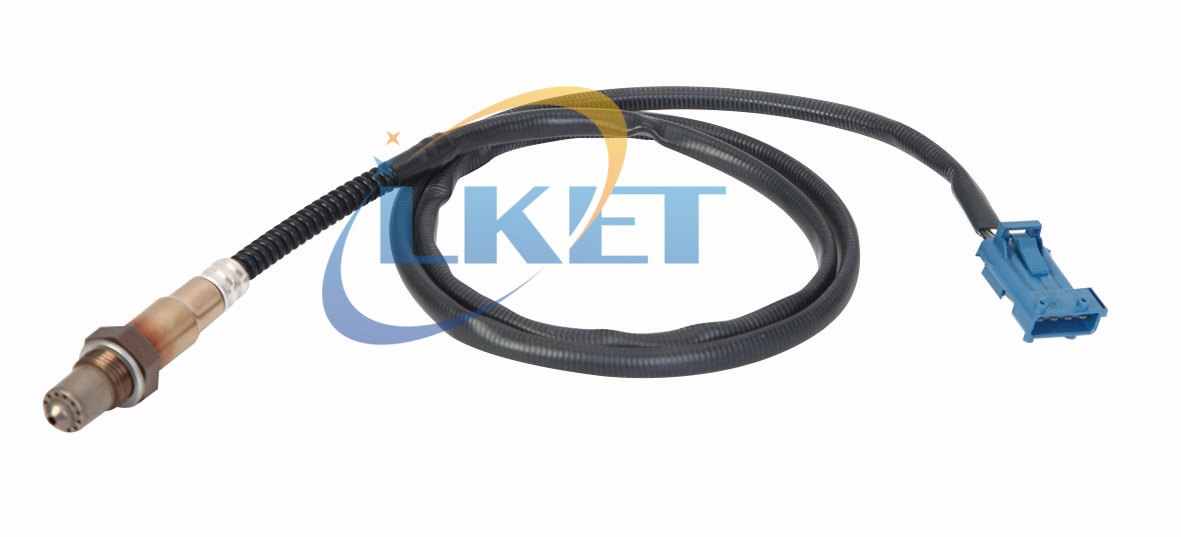
When an oxygen sensor fails and the dashboard warning light illuminates, many vehicle owners face a key decision: should they opt for the expensive "OEM part" or the more cost-effective "brand-name part"? This is not merely a choice based on price but a comprehensive consideration of performance, compatibility, and long-term reliability.
OEM Parts: Perfect Compatibility at a Premium
OEM parts, components designated or certified by the vehicle manufacturer, offer the significant advantage of "zero-difference" compatibility. They are identical to the sensor originally installed in your vehicle, ensuring seamless integration with the vehicle's ECU in terms of electrical characteristics (such as signal curves and heater resistance), physical interfaces (connectors and thread specifications), and software protocols. This guarantees the most stable performance output and often comes with a manufacturer-backed warranty for peace of mind. However, their high price—often reflecting brand premiums and distribution channel costs—is the main drawback.
Brand-Name Parts: Balancing Cost-Effectiveness and Expertise
Brand-name parts, also known as "quality aftermarket parts" or "replacement parts," are produced by well-known independent manufacturers such as Bosch, Delphi, and NGK. These brands possess deep technical expertise, and their products often meet or even exceed original manufacturing standards. Their core advantages include:
-
Significant cost savings: Typically priced 30% to 50% lower than OEM parts.
-
Comparable or superior performance: Top-tier brand-name parts often match or surpass OEM standards in critical metrics like response time, measurement accuracy, and service life.
-
Broad compatibility: A single brand-name part number may fit multiple vehicle models, offering greater flexibility.
A Practical Guide: Making the Right Choice for Your Needs
Your decision can be guided by the following scenarios:
-
Prioritize OEM parts if: Your vehicle is still under the original factory warranty; you insist on having the "exact original part"; or your vehicle model is rare, with limited mature compatibility data for brand-name parts.
-
Confidently choose top-tier brand-name parts if: Your vehicle is out of warranty, and you seek better value; it's used for daily commuting where stable, reliable performance is key; or you select a brand like Bosch, which has a strong background as an original equipment supplier. Always ensure you purchase from reputable channels to avoid counterfeit or substandard products.
The key lies in choosing a "reliable brand," not simply debating "OEM vs. aftermarket." A high-quality brand-name part often comes from the same production line as the parts supplied to vehicle manufacturers. For most out-of-warranty vehicles, selecting a top-tier brand-name part from a reputable manufacturer—complete with proper certifications and a solid warranty—is a smart choice that balances economy and reliability. When making a purchase, verifying the part number, checking for anti-counterfeiting measures on the packaging, and confirming the supplier's credibility are crucial final steps to ensure you receive a high-quality product.
Is there a relationship between a car AC not blowing hot air and the thermostat?
Buying Guide: Five Key Indicators to Identify a High-Quality Heater Control Valve
Related Article

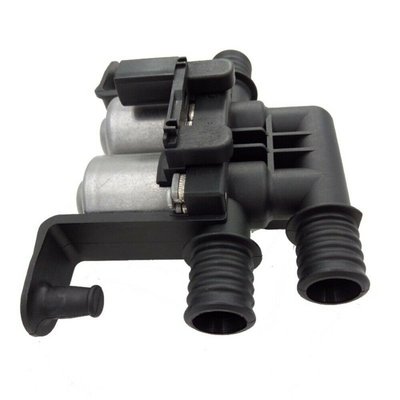
This guide outlines five key indicators for selecting a high-quality heater control valve: core materials (brass/stainless steel), sealing performance (FKM/EPDM seals), control method and accuracy, compatibility and craftsmanship, and brand reputation with warranty. By evaluating these factors, buyers can ensure durability, prevent leaks, and secure reliable winter heating for their vehicle.
Buying Guide: Five Key Indicators to Identify a High-Quality Heater Control Valve