Buying Guide: Five Key Indicators to Identify a High-Quality Heater Control Valve
author: Rosa
2026-03-06
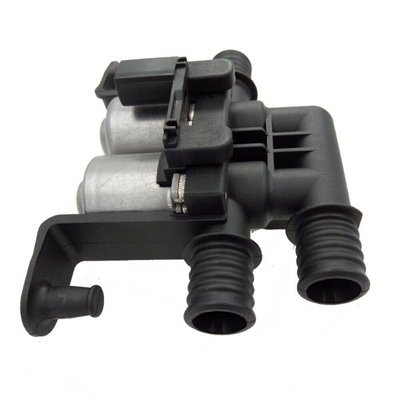
Though small, the heater control valve serves as the "critical junction" of a car's heating system, and its quality directly determines the reliability of warm air in winter, response speed, and cabin comfort. Faced with a wide array of products on the market, how can you avoid significant issues caused by minor oversights? Mastering the following five core purchasing indicators will help you quickly identify a high-quality heater control valve.
1. Core Materials: The Foundation of Durability
The material of the valve body and internal moving parts is crucial. Valve bodies made of high-quality brass or stainless steel offer excellent corrosion and scale resistance, enduring long-term exposure to coolant erosion and pressure impacts. In contrast, ordinary cast iron or low-quality plastic components are prone to rust, aging, and cracking. Additionally, internal ceramic or high-quality engineering plastic valve cores are more wear-resistant and have lower sliding resistance compared to ordinary metal cores, ensuring smooth operation and reliable sealing over hundreds of thousands of cycles.
2. Sealing Performance: The Guarantee Against Leaks
Sealing is the lifeline of a control valve. Focus on the material and structure of the sealing rings. Products using fluororubber (FKM) or ethylene propylene diene monomer (EPDM) seals are preferred, as they offer outstanding resistance to high temperatures and chemical corrosion from coolant. At the same time, check whether the product features multiple seals or a precision-molded integrated sealing structure, which can significantly reduce the risk of leaks due to thermal cycling and vibration.
3. Control Method and Response Accuracy
Choose between mechanically cable-operated or electronically controlled (solenoid valve/stepper motor) types based on your vehicle model. For electronically controlled valves, key advanced indicators include response speed, operational noise, and position feedback accuracy. High-quality electronically controlled valves operate decisively with low noise and can provide precise opening degree feedback to the vehicle's computer, enabling smarter temperature control. When purchasing, ensure the interface is compatible with the vehicle's original protocol.
4. Compatibility and Craftsmanship Details
Accurate original equipment interfaces and dimensions are prerequisites for installation. High-quality products not only feature interfaces and mounting holes that fit perfectly but also have uniform and dense surface treatments (such as plating or coating) that effectively prevent rust. Additionally, whether the internal flow channel design is smooth affects coolant flow rate and heating efficiency. An excellent flow channel design reduces flow resistance and improves the heat exchange efficiency of the heater core.
5. Brand Reputation and Warranty Commitment
Choosing a brand with a strong market reputation and professional technical expertise typically means stricter quality control, better matching data support, and more reliable product consistency. At the same time, a clear warranty period (e.g., 12 months or longer) reflects the brand's confidence in the durability of its product, providing long-term peace of mind for your purchase.
Conclusion
Selecting a heater control valve is far from simply finding one that "fits." From materials, sealing, control accuracy, compatibility, and craftsmanship to brand assurance, these five indicators build step by step to form a comprehensive picture of a high-quality product. A wise investment ensures lasting warmth and peace of mind during winter.
OEM Parts vs. Brand-Name Parts: How to Choose a Reliable Oxygen Sensor?
Decoding the Five Core Parameters: A Guide to Reading Oxygen Sensor Performance Specifications
Related Article

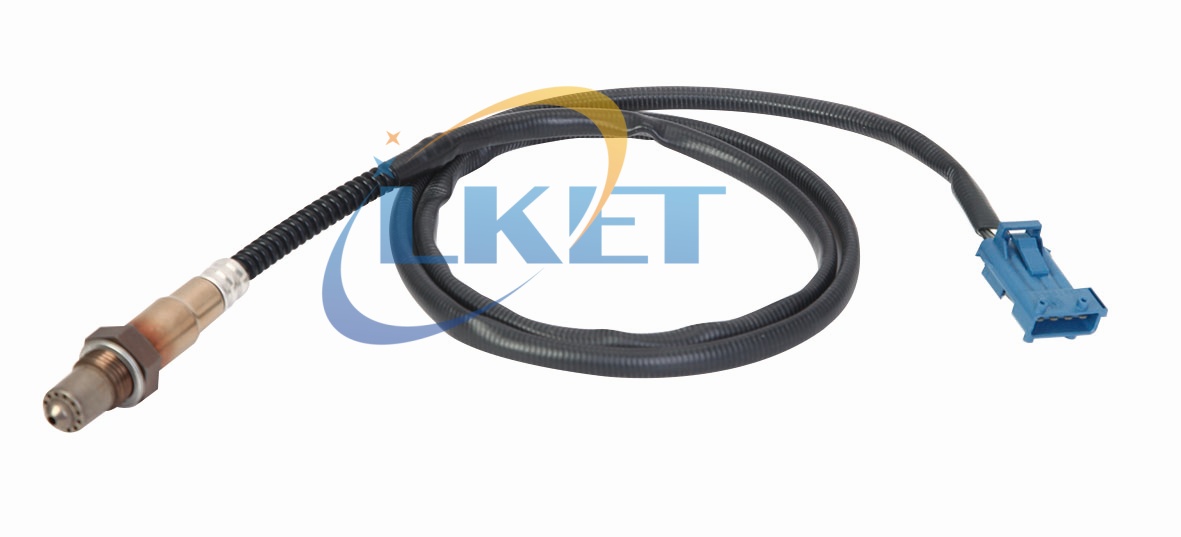
This article compares OEM and brand-name oxygen sensors, highlighting key factors for choosing between them. It explains that OEM parts ensure perfect compatibility and stability at a higher cost, while reputable brand-name parts offer significant savings and comparable performance for out-of-warranty vehicles. The guide recommends selecting reliable brands based on warranty status, vehicle model, and usage needs.
OEM Parts vs. Brand-Name Parts: How to Choose a Reliable Oxygen Sensor?