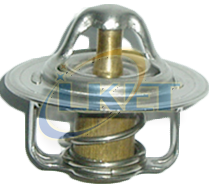
Thermostat: The Unsung Hero Regulating Engine Temperature
author: Emma
2026-02-13
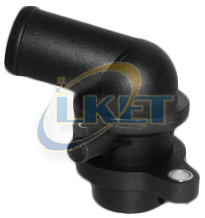
In the complex ecosystem of a vehicle’s engine, there exists a small yet critical component that often goes unnoticed until it malfunctions—the thermostat. Serving as a vital temperature regulator, the thermostat plays an indispensable role in maintaining the engine’s optimal operating temperature, ensuring efficiency, performance, and longevity. Without a properly functioning thermostat, an engine is prone to overheating, poor fuel economy, and even severe mechanical damage. This article explores the core functions, working principles, types, and common issues of thermostats, shedding light on why this tiny device is essential for every combustion engine.
What Is a Thermostat?
A thermostat is a temperature-sensitive valve located between the engine’s cooling system and the radiator. Its primary purpose is to control the flow of coolant (a mixture of water and antifreeze) through the engine and radiator, adjusting the cooling process based on the engine’s temperature. Essentially, it acts as a “gatekeeper,” ensuring the engine warms up quickly to its ideal operating temperature and stays within that range during all driving conditions—whether idling in traffic, cruising on the highway, or hauling heavy loads.
How Does a Thermostat Work?
The operation of a thermostat relies on a simple yet effective thermal expansion mechanism, typically using a wax pellet or a bimetallic strip as the temperature-sensing element. The most common design in modern vehicles is the wax-type thermostat, which functions as follows:
-
Cold Engine Start: When the engine is cold (e.g., after sitting overnight), the wax inside the thermostat is solid. In this state, the valve is closed, blocking the flow of coolant to the radiator. Instead, coolant circulates only within the engine block and cylinder head, allowing the engine to warm up rapidly. This quick warm-up is crucial because a cold engine is less efficient, burns more fuel, and produces more emissions.
-
Optimal Temperature Reach: As the engine runs, it generates heat, which is absorbed by the coolant. When the coolant temperature reaches the thermostat’s opening temperature (usually between 82°C and 95°C, or 180°F and 203°F, depending on the vehicle model), the wax pellet melts and expands. This expansion pushes against a piston or diaphragm, opening the thermostat valve.
-
Temperature Regulation: Once the valve is open, coolant flows from the engine to the radiator, where heat is dissipated into the air. If the engine temperature drops below the optimal range (e.g., during cold weather or low engine load), the wax solidifies again, closing the valve and restricting coolant flow to the radiator. This cycle repeats continuously, keeping the engine at a stable temperature.
Bimetallic thermostats, though less common today, use two metal strips with different thermal expansion rates. When heated, one strip expands more than the other, causing the thermostat to bend and open the valve. While effective, wax-type thermostats are preferred for their precision and reliability.
Types of Thermostats
Thermostats are classified based on their design and application, with the following being the most common types:
-
Wax-Type Thermostat: As mentioned earlier, this is the most widely used type in modern gasoline and diesel engines. It features a wax-filled chamber connected to a valve, offering consistent temperature control and durability.
-
Bimetallic Thermostat: Commonly used in older vehicles and some industrial engines, this type relies on the expansion of two different metals to open and close the valve. It is simpler in design but less precise than wax-type thermostats.
-
Electric Thermostat: Found in hybrid vehicles, electric vehicles (EVs), and some high-performance engines, electric thermostats use an electric heating element or solenoid to control the valve. They are controlled by the engine control unit (ECU) for enhanced precision, especially in engines with variable cooling needs.
-
Fail-Safe Thermostat: A specialized type designed to fail in the open position. This prevents engine overheating if the thermostat malfunctions, as coolant can still flow to the radiator. While it may cause the engine to take longer to warm up, it protects against severe damage.
The Importance of a Functional Thermostat
The thermostat’s role in engine performance and longevity cannot be overstated. Here are its key benefits:
-
Improves Fuel Efficiency: A cold engine burns more fuel because the fuel-air mixture is less efficient. The thermostat ensures the engine warms up quickly, reducing fuel consumption and emissions.
-
Prevents Engine Overheating: Overheating is one of the most common causes of engine damage, leading to warped cylinder heads, blown head gaskets, and seized pistons. By regulating coolant flow, the thermostat keeps the engine at a safe temperature.
-
Enhances Engine Performance: The engine operates most efficiently at its optimal temperature. A functional thermostat ensures consistent performance, whether accelerating, cruising, or idling.
-
Protects Engine Components: Extreme temperatures (both too hot and too cold) can damage gaskets, seals, and other engine parts. The thermostat maintains a stable environment, extending the lifespan of these components.
Common Thermostat Issues and Symptoms
Like all mechanical components, thermostats can wear out or malfunction over time. The most common issues include a stuck closed thermostat, a stuck open thermostat, or a leaking thermostat. Here are the key symptoms to watch for:
-
Engine Overheating: If the thermostat is stuck closed, coolant cannot flow to the radiator, causing the engine temperature gauge to rise rapidly. This may be accompanied by steam coming from the hood or a burning smell.
-
Engine Takes Too Long to Warm Up: A stuck open thermostat allows coolant to flow to the radiator even when the engine is cold, resulting in a prolonged warm-up period. The heater may also blow cold air, as the coolant does not reach the optimal temperature to heat the cabin.
-
Fluctuating Engine Temperature: A faulty thermostat may open and close unpredictably, causing the temperature gauge to fluctuate between hot and cold. This can lead to inconsistent engine performance and reduced fuel efficiency.
-
Coolant Leaks: A worn or damaged thermostat housing or seal can cause coolant leaks. Look for puddles of coolant under the vehicle or signs of corrosion around the thermostat.
Conclusion
Though small in size, the thermostat is a cornerstone of a vehicle’s cooling system and engine health. By regulating the engine’s temperature with precision, it ensures efficiency, performance, and longevity. Recognizing the symptoms of a faulty thermostat and addressing issues promptly can save vehicle owners from costly engine repairs and ensure their vehicle runs smoothly for years to come. The next time you start your car and it warms up quickly, remember the unsung hero working behind the scenes—the thermostat.
Common ABS Sensor Issues and Symptoms
Is there a relationship between a car AC not blowing hot air and the thermostat?
Related Article

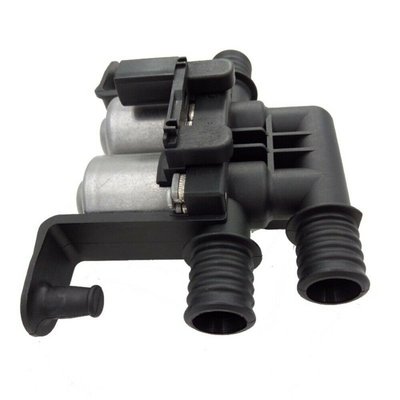
This guide outlines five key indicators for selecting a high-quality heater control valve: core materials (brass/stainless steel), sealing performance (FKM/EPDM seals), control method and accuracy, compatibility and craftsmanship, and brand reputation with warranty. By evaluating these factors, buyers can ensure durability, prevent leaks, and secure reliable winter heating for their vehicle.
Buying Guide: Five Key Indicators to Identify a High-Quality Heater Control Valve
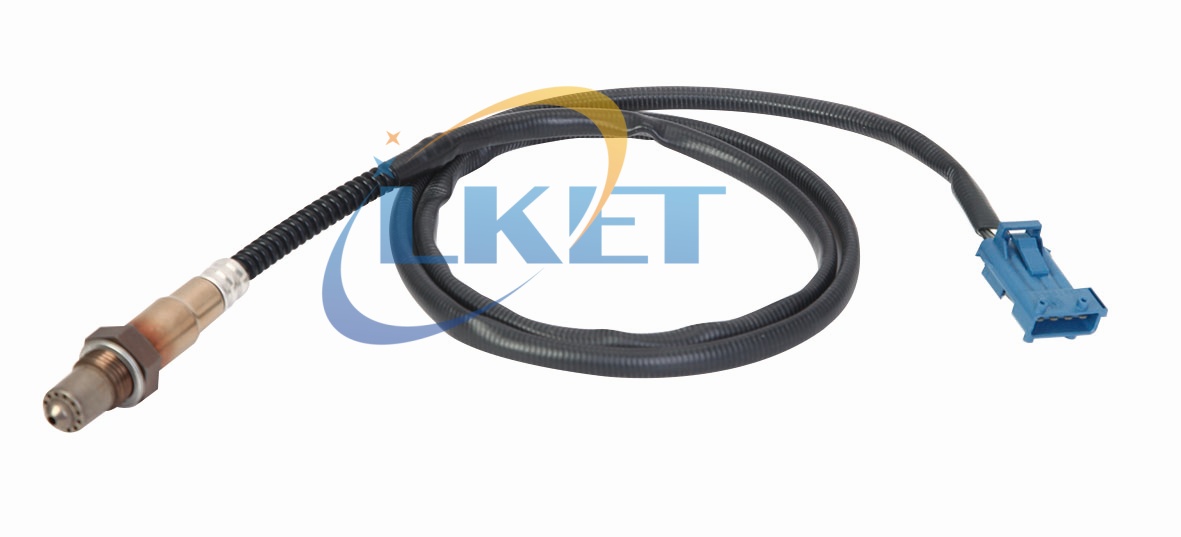
This article compares OEM and brand-name oxygen sensors, highlighting key factors for choosing between them. It explains that OEM parts ensure perfect compatibility and stability at a higher cost, while reputable brand-name parts offer significant savings and comparable performance for out-of-warranty vehicles. The guide recommends selecting reliable brands based on warranty status, vehicle model, and usage needs.
OEM Parts vs. Brand-Name Parts: How to Choose a Reliable Oxygen Sensor?