Installation Guide for Heater Control Valve
author: W
2026-03-13

The heater control valve is a key component in a vehicle’s heating system, responsible for regulating the flow of hot coolant from the engine to the heater core, thereby controlling the temperature of the cabin air. Proper installation of the heater control valve is essential to ensure efficient heating performance, prevent coolant leaks, and avoid damage to related components. This short guide outlines the key steps and precautions for installing a heater control valve correctly.
Before starting the installation, ensure the engine is completely cool and the vehicle’s battery is disconnected to avoid safety hazards. First, locate the old heater control valve, which is typically mounted along the coolant hoses between the engine and the heater core, near the firewall or engine bay. Disconnect the negative battery terminal, then drain a small amount of coolant from the radiator to reduce pressure in the system—this prevents excessive coolant spillage when removing hoses.
Next, carefully disconnect the coolant hoses from the old valve using a hose clamp tool to loosen the clamps; be prepared to catch any spilled coolant with a container. Then, remove the mounting bolts or clips that secure the old valve to the vehicle’s frame or firewall, and take out the old valve. Inspect the mating surfaces and coolant hoses for cracks, wear, or debris—replace any damaged hoses or O-rings to ensure a tight seal.
Install the new heater control valve in the same orientation as the old one, ensuring alignment with the mounting points. Secure it with the original bolts or new ones of the correct size, tightening them to the manufacturer’s recommended torque. Reattach the coolant hoses to the new valve, position the hose clamps properly, and tighten them firmly to prevent leaks. Refill the cooling system with the appropriate type and amount of coolant, then reconnect the negative battery terminal.
Finally, start the engine and let it run until it reaches operating temperature. Check for any coolant leaks around the valve and hoses, and verify that the heater control valve functions correctly by adjusting the cabin temperature controls—ensure hot air flows when the heater is turned on and stops when adjusted to cold. Following these steps will ensure a successful installation and reliable performance of the vehicle’s heating system.
Common ABS Sensor Issues and Symptoms
Related Article
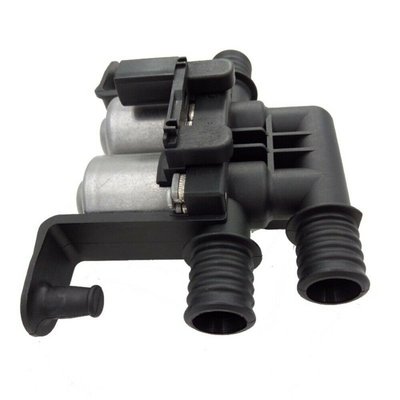
This guide outlines five key indicators for selecting a high-quality heater control valve: core materials (brass/stainless steel), sealing performance (FKM/EPDM seals), control method and accuracy, compatibility and craftsmanship, and brand reputation with warranty. By evaluating these factors, buyers can ensure durability, prevent leaks, and secure reliable winter heating for their vehicle.
Buying Guide: Five Key Indicators to Identify a High-Quality Heater Control Valve
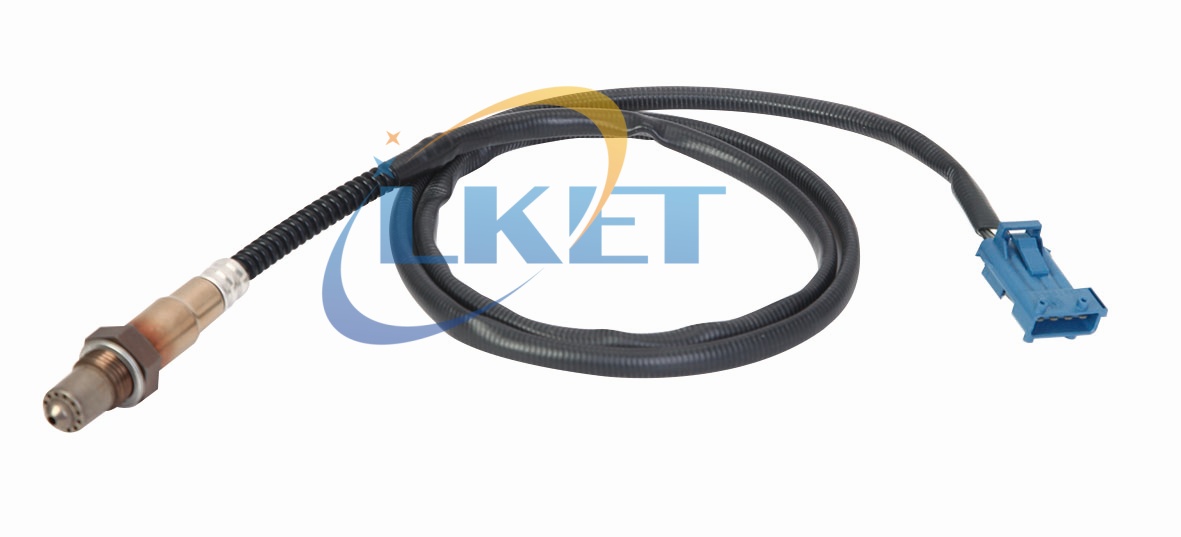
This article compares OEM and brand-name oxygen sensors, highlighting key factors for choosing between them. It explains that OEM parts ensure perfect compatibility and stability at a higher cost, while reputable brand-name parts offer significant savings and comparable performance for out-of-warranty vehicles. The guide recommends selecting reliable brands based on warranty status, vehicle model, and usage needs.
OEM Parts vs. Brand-Name Parts: How to Choose a Reliable Oxygen Sensor?