Common ABS Sensor Issues and Symptoms
author: Emma
2026-01-16
Common ABS Sensor Issues and Symptoms
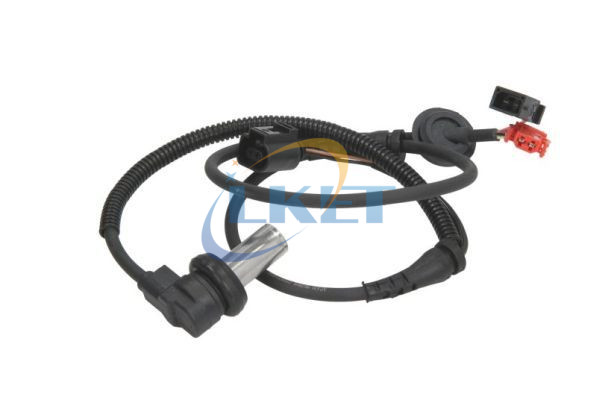
ABS sensors are exposed to harsh conditions—road dirt, debris, moisture, vibration, and extreme temperatures—making them prone to wear and malfunction over time. Common issues include sensor damage, wiring faults, tone ring damage, and contamination. Here are the key symptoms to identify a faulty ABS sensor:
-
ABS Warning Light Illuminates: The most obvious symptom is the ABS warning light (usually amber) turning on the dashboard. This indicates the ABS ECU has detected a fault in the sensor or the ABS system, and the ABS may be disabled.
-
ABS System Failure: If the ABS sensor fails completely, the ABS will not work. During braking, wheels may lock up, causing the vehicle to skid, and the driver may lose steering control—especially on slippery roads.
-
Intermittent ABS Operation: A faulty sensor may send inconsistent signals to the ECU, causing the ABS to activate randomly (even during normal braking) or fail intermittently. This can result in a pulsating brake pedal when it is not needed.
-
Poor Braking Performance: Reduced braking efficiency, longer braking distances, or uneven braking (one wheel braking more than others) can indicate a faulty ABS sensor, as the ABS cannot adjust braking pressure accurately.
-
Strange Noises During Braking: A damaged tone ring (e.g., missing teeth, warping) or a contaminated sensor may cause grinding, clicking, or humming noises during braking, as the sensor cannot detect speed correctly.
-
Conclusion
Though small in size, the ABS sensor is a critical component of a vehicle’s safety system, serving as the backbone of the ABS. By monitoring wheel speed in real time and transmitting accurate data to the ABS ECU, it enables the ABS to prevent wheel lock-up, maintain steering control, and optimize braking performance—all of which are essential for safeguarding the driver, passengers, and other road users. Recognizing the symptoms of a faulty ABS sensor and addressing issues promptly (such as cleaning, repairing, or replacing the sensor) can prevent ABS system failure and ensure maximum driving safety. The next time you brake safely in an emergency, remember the unsung hero working behind the scenes—the ABS sensor.
Installation Guide for Heater Control Valve
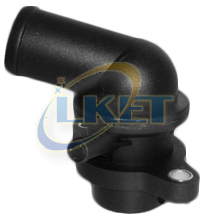
Thermostat: The Unsung Hero Regulating Engine Temperature
Related Article

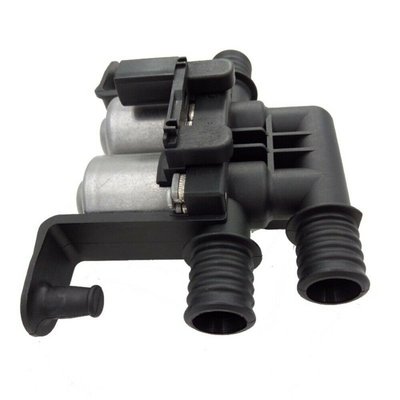
This guide outlines five key indicators for selecting a high-quality heater control valve: core materials (brass/stainless steel), sealing performance (FKM/EPDM seals), control method and accuracy, compatibility and craftsmanship, and brand reputation with warranty. By evaluating these factors, buyers can ensure durability, prevent leaks, and secure reliable winter heating for their vehicle.
Buying Guide: Five Key Indicators to Identify a High-Quality Heater Control Valve
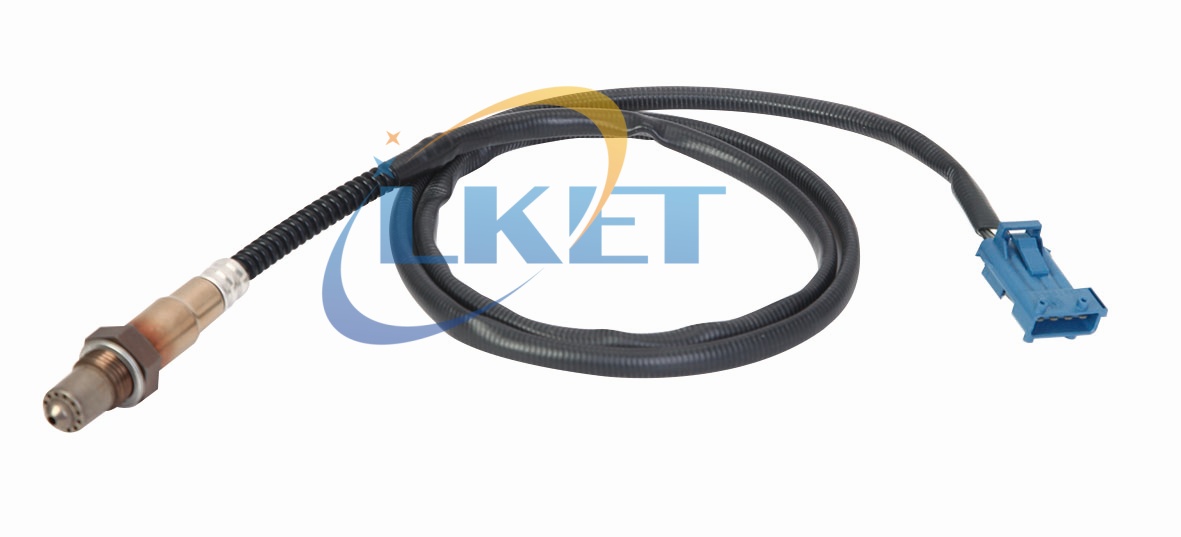
This article compares OEM and brand-name oxygen sensors, highlighting key factors for choosing between them. It explains that OEM parts ensure perfect compatibility and stability at a higher cost, while reputable brand-name parts offer significant savings and comparable performance for out-of-warranty vehicles. The guide recommends selecting reliable brands based on warranty status, vehicle model, and usage needs.
OEM Parts vs. Brand-Name Parts: How to Choose a Reliable Oxygen Sensor?