Automotive Oxygen Sensor Analysis
author: ARong
2025-05-23
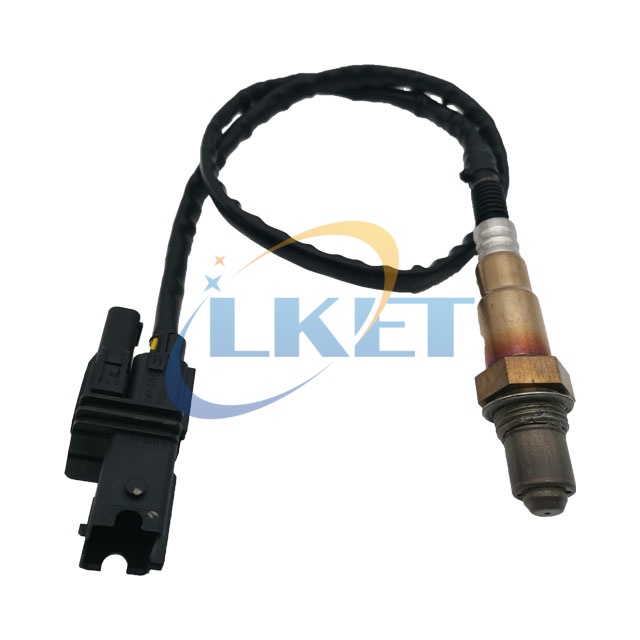
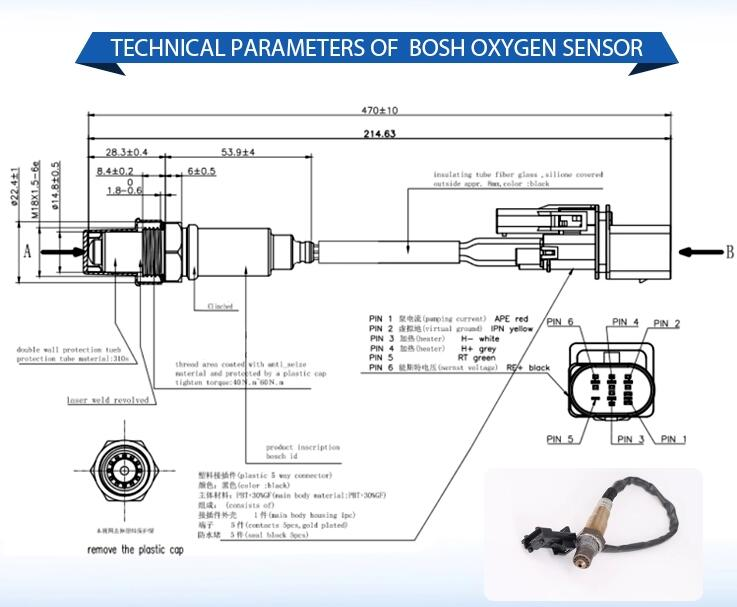
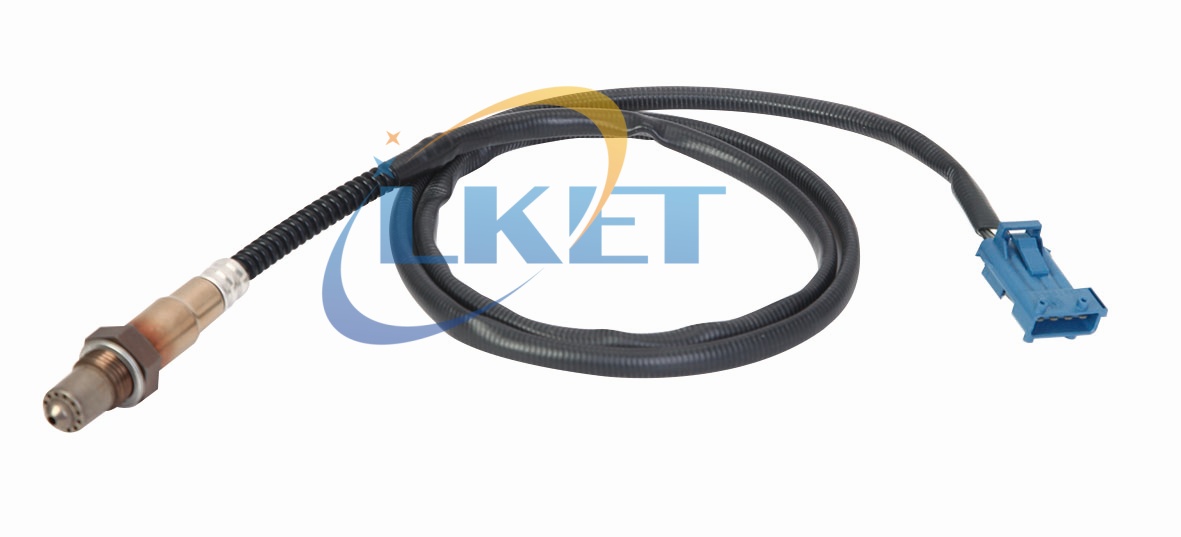
The automotive oxygen sensor serves as the core component in modern fuel vehicle emission control systems, with its performance directly impacting engine combustion efficiency and exhaust emission levels. Utilizing the chemical properties of zirconium oxide (ZrO₂) or titanium oxide (TiO₂), this sensor continuously monitors exhaust oxygen concentration and transmits real-time data to the Engine Control Unit (ECU), enabling precise air-fuel ratio adjustment to the stoichiometric value of 14.7:1. This optimization process significantly enhances fuel efficiency (reducing consumption by 5-15%), minimizes harmful emissions (CO, HC, and NOx), and works synergistically with the three-way catalytic converter to improve environmental performance.
In operation, the upstream oxygen sensor (positioned before the catalytic converter) primarily monitors combustion conditions in real-time, providing accurate air-fuel ratio feedback to the ECU. Meanwhile, the downstream oxygen sensor specifically evaluates the conversion efficiency of the catalytic converter. Modern oxygen sensors universally incorporate a built-in 4Ω heating element, allowing rapid attainment of the optimal 300°C operating temperature during cold starts to ensure precise detection even in low-temperature conditions.
Common failure modes include lead/silicon poisoning (evidenced by white/brown discoloration at the sensor tip), carbon buildup (requiring cleaning with ferric chloride solution), or circuit damage. These malfunctions typically manifest as abnormal engine operation, including increased fuel consumption, exhaust odor, or engine vibration. Professional diagnostics involve multiple procedures: voltage testing (normal fluctuation range: 0.1-0.9V), resistance measurement (standard heating element resistance: 4Ω), and broadband signal analysis.
For optimal performance, we recommend prioritizing OEM-compatible components (such as Toyota Crown genuine specifications) featuring high-temperature resistance (≥200°C) and pollution resistance. Essential maintenance protocols include: consistent use of unleaded gasoline, regular carbon deposit removal, and sensor condition inspections every 50,000 kilometers. Beyond automotive applications, oxygen sensors play an indispensable role in industrial boiler combustion control and medical oxygen monitoring (e.g., in anesthesia machines), leveraging their precise oxygen concentration detection capabilities. Truly, these sensors represent the "silent guardians" of efficient and environmentally-conscious operations in modern industry.
How Does an ABS Sensor Work?
What does the heater control valve control?
Related Article

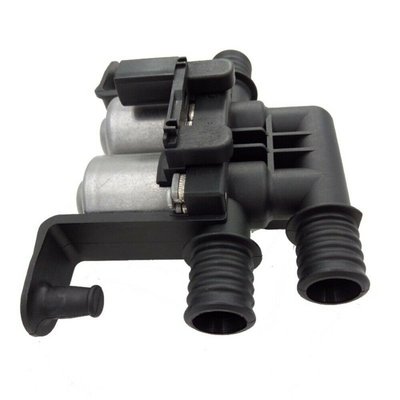
This guide outlines five key indicators for selecting a high-quality heater control valve: core materials (brass/stainless steel), sealing performance (FKM/EPDM seals), control method and accuracy, compatibility and craftsmanship, and brand reputation with warranty. By evaluating these factors, buyers can ensure durability, prevent leaks, and secure reliable winter heating for their vehicle.
Buying Guide: Five Key Indicators to Identify a High-Quality Heater Control Valve
This article compares OEM and brand-name oxygen sensors, highlighting key factors for choosing between them. It explains that OEM parts ensure perfect compatibility and stability at a higher cost, while reputable brand-name parts offer significant savings and comparable performance for out-of-warranty vehicles. The guide recommends selecting reliable brands based on warranty status, vehicle model, and usage needs.
OEM Parts vs. Brand-Name Parts: How to Choose a Reliable Oxygen Sensor?