Decoding the Five Core Parameters: A Guide to Reading Oxygen Sensor Performance Specifications
author: ARong
2026-01-30
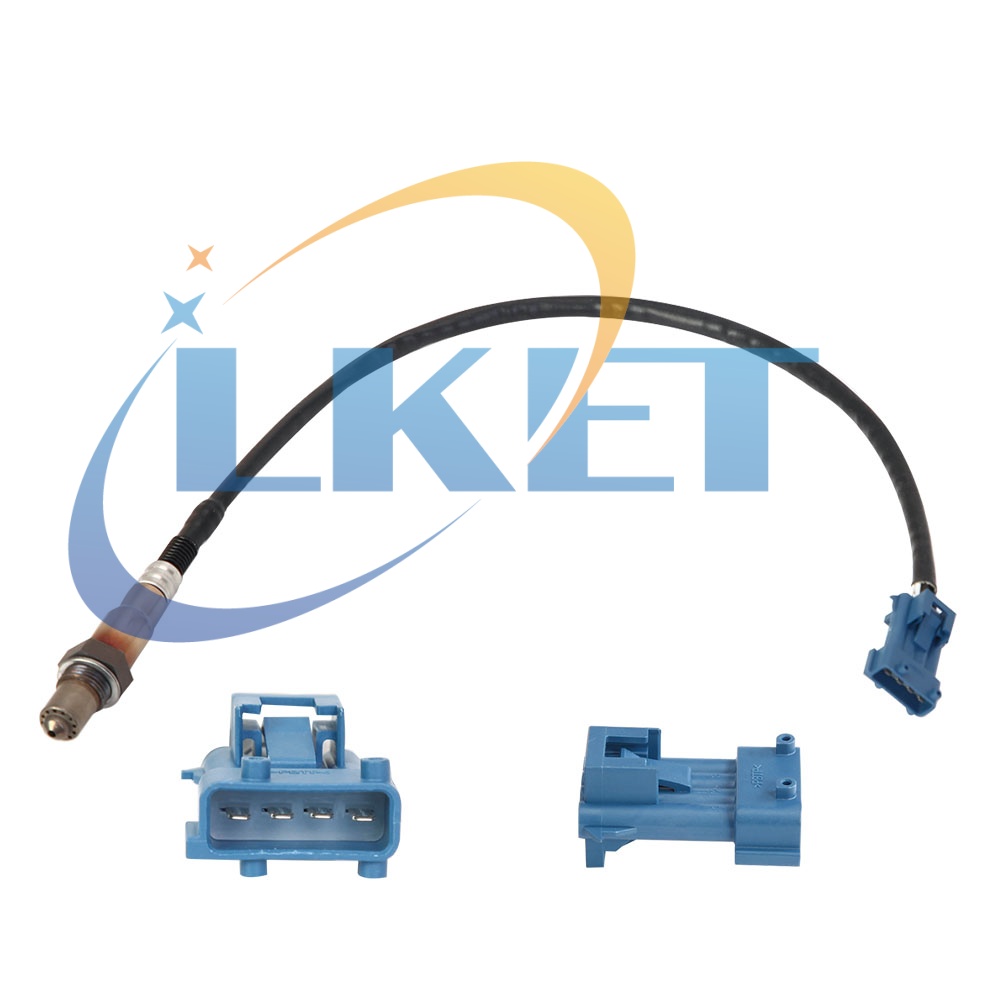
The oxygen sensor serves as the "olfactory nerve" of a car engine, with its performance directly impacting power, fuel consumption, and emissions. Faced with a professional technical specification sheet, how can you quickly assess its quality? This article breaks down the five core parameters that determine an oxygen sensor's performance.
1. Response Time: The Race for Sensing Speed
Response time refers to the time required for the sensor signal to reach 90% of its final value when transitioning from rich to lean (or vice versa). It is typically measured in milliseconds (ms). A smaller value indicates that the sensor reacts more quickly to changes in oxygen concentration in the exhaust. This allows the Engine Control Unit (ECU) to adjust fuel injection faster, achieving more precise closed-loop air-fuel ratio control. High-performance sensors can have response times under 100ms, while standard products may exceed 300ms.
2. Operating Temperature Range: Adaptability in Harsh Environments
This parameter specifies the ambient temperature range within which the sensor can reliably start up and maintain signal accuracy, for example, -40°C to 950°C. A wide temperature range design ensures the sensor can activate quickly for operation in extremely cold weather. Simultaneously, the internal components can withstand high exhaust temperatures during heavy engine loads without failure, offering greater adaptability.
3. Heater Characteristics: The Key to Cold Starts
Modern oxygen sensors contain an internal heating element to help them quickly reach the minimum operating temperature (approximately 300°C). A shorter heat-up time (e.g., ≤30 seconds from cold to operational state) means the system enters closed-loop control sooner after a cold start, effectively reducing pollutant emissions during the startup phase. The heater power/resistance relates to the load on the vehicle's electrical system and its own energy consumption. An optimized design balances rapid warm-up with low energy use.
4. Signal Characteristics & Accuracy: Output Reliability
For common switching-type (zirconia) sensors, pay attention to the signal voltage range (e.g., low voltage 0.1-0.3V, high voltage 0.6-0.9V) and the switch frequency. Stable voltage output and a normal switch rhythm are signs of a healthy signal. For wide-band sensors, focus on the linearity and accuracy of the pump current (IP), which directly determines the breadth and accuracy of the air-fuel ratio measurement.
5. Service Life: The Promise of Durability
The design life stated by the manufacturer (e.g., 80,000 or 160,000 kilometers) is a reference value based on specific testing conditions. It comprehensively reflects the core element's resistance to aging and poisoning (by silicon, lead, sulfur, etc.), as well as the durability of sealing materials. A long-life design translates to lower replacement frequency and more stable long-term performance.
Conclusion
Reading a specification sheet is essentially about understanding the sensor's balanced capabilities across five dimensions: fast, precise, stable, efficient, and long-lasting. Next time you are selecting a sensor, consider starting with these five key parameters to cut through the technical jargon and make an informed choice for your vehicle's vital "sense of smell."
Buying Guide: Five Key Indicators to Identify a High-Quality Heater Control Valve
The Integration Trend: "Two-in-One" Design Combining Heater Control Valve and Thermal Management System Makes Its Debut
Related Article

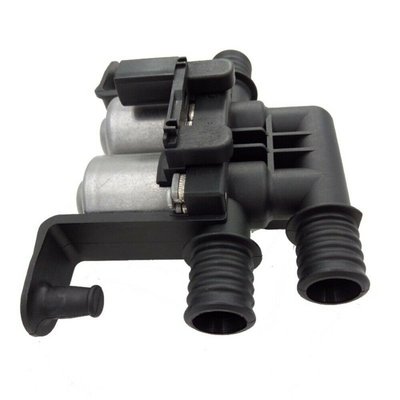
This guide outlines five key indicators for selecting a high-quality heater control valve: core materials (brass/stainless steel), sealing performance (FKM/EPDM seals), control method and accuracy, compatibility and craftsmanship, and brand reputation with warranty. By evaluating these factors, buyers can ensure durability, prevent leaks, and secure reliable winter heating for their vehicle.
Buying Guide: Five Key Indicators to Identify a High-Quality Heater Control Valve
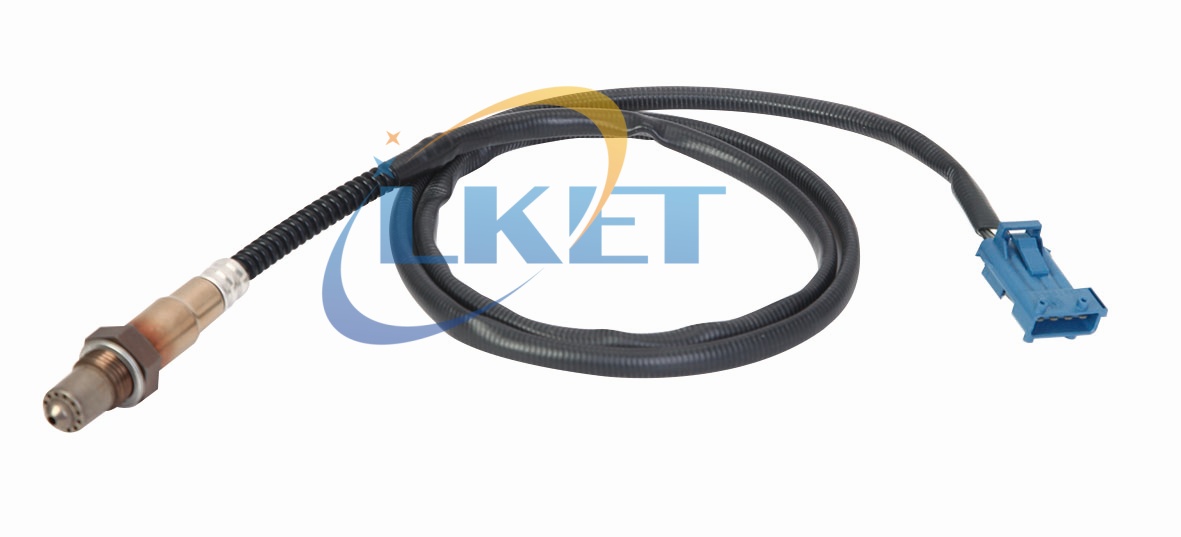
This article compares OEM and brand-name oxygen sensors, highlighting key factors for choosing between them. It explains that OEM parts ensure perfect compatibility and stability at a higher cost, while reputable brand-name parts offer significant savings and comparable performance for out-of-warranty vehicles. The guide recommends selecting reliable brands based on warranty status, vehicle model, and usage needs.
OEM Parts vs. Brand-Name Parts: How to Choose a Reliable Oxygen Sensor?