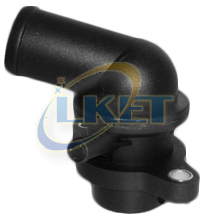
The Integration Trend: "Two-in-One" Design Combining Heater Control Valve and Thermal Management System Makes Its Debut
author: Rosa
2026-01-23
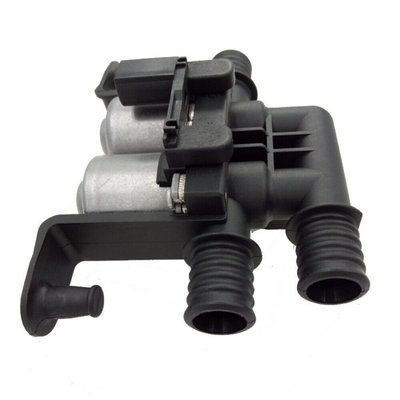
Driven by the automotive industry's relentless pursuit of lightweight design and efficient thermal management, traditional decentralized component layouts are facing significant challenges. Recently, leading automotive component suppliers jointly unveiled an innovative integrated thermal management module. This "two-in-one" design deeply integrates the heater control valve with key thermal management system components, introducing a revolution in overall vehicle energy efficiency and assembly processes through its simplified architecture.
The core of this design lies in high integration and system optimization. In traditional setups, the heater control valve, control solenoid valves, associated piping, and sensors are often separate units, occupying more space and requiring complex connections. The new module adopts a unified housing, internally connecting all functional units seamlessly through optimized flow channels. This reduces external pipe connection points and individual seals by over 60%. This not only significantly lowers the risk of leakage but also cuts the total assembly weight by approximately 30%, contributing directly to vehicle lightweighting.
For both production and after-sales service, simplified installation is an immediate and tangible benefit. Assembly technicians now handle a single integrated module with only a few standard interfaces, replacing the previous cumbersome process of aligning, connecting, and securing multiple individual parts. Practical tests indicate this design can reduce assembly time for related steps by about 40%, while drastically lowering the failure rate caused by incorrect piping connections. This enhances production consistency and facilitates future maintenance.
More importantly, integration delivers a leap in system efficiency. The embedded intelligent control unit within the module can perform millisecond-level precise regulation of coolant flow and direction based on multiple input signals, such as engine coolant temperature, cabin climate demands, and battery temperature (particularly for new energy vehicles). This allows heat to be distributed and recycled more efficiently among different zones with varying thermal needs, like the engine, cabin, and battery. Data shows this design can improve the overall energy efficiency of the vehicle's thermal management system by around 15%. For electric vehicles, this translates to conserving more battery power for cabin heating in extremely cold weather, thereby effectively extending the driving range.
Industry analysts point out that this "valve body integration" represents a clear trend in automotive thermal management development. It is not merely a physical consolidation of parts but a crucial step toward intelligent, software-defined thermal management systems with precise temperature control. As the complexity of thermal management requirements surges in electric vehicles, such highly integrated, intelligent, and efficient solutions are poised to become a core element in enhancing product competitiveness.
Decoding the Five Core Parameters: A Guide to Reading Oxygen Sensor Performance Specifications
How to diagnose a faulty car thermostat with simple checks?
Related Article

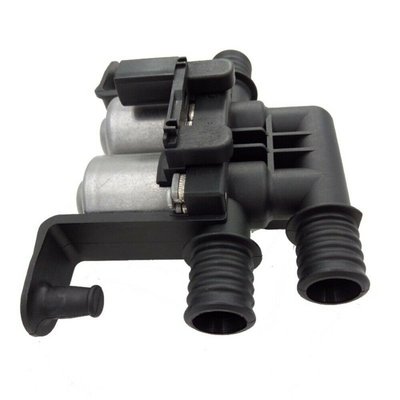
This guide outlines five key indicators for selecting a high-quality heater control valve: core materials (brass/stainless steel), sealing performance (FKM/EPDM seals), control method and accuracy, compatibility and craftsmanship, and brand reputation with warranty. By evaluating these factors, buyers can ensure durability, prevent leaks, and secure reliable winter heating for their vehicle.
Buying Guide: Five Key Indicators to Identify a High-Quality Heater Control Valve
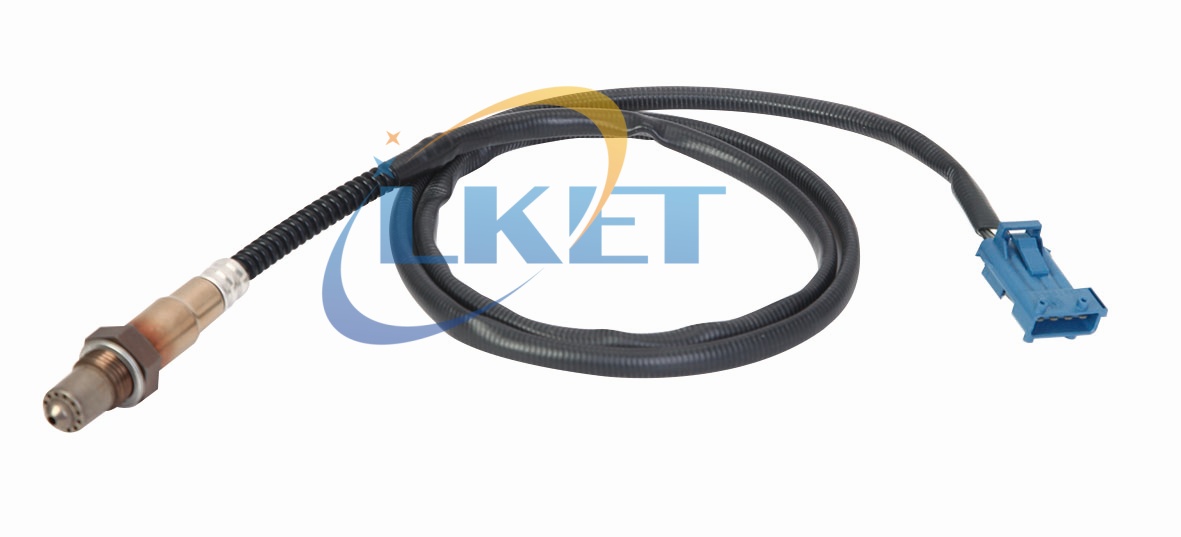
This article compares OEM and brand-name oxygen sensors, highlighting key factors for choosing between them. It explains that OEM parts ensure perfect compatibility and stability at a higher cost, while reputable brand-name parts offer significant savings and comparable performance for out-of-warranty vehicles. The guide recommends selecting reliable brands based on warranty status, vehicle model, and usage needs.
OEM Parts vs. Brand-Name Parts: How to Choose a Reliable Oxygen Sensor?