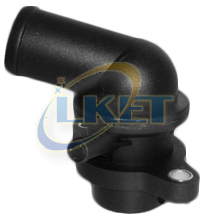
How to diagnose a faulty car thermostat with simple checks?
author: W
2026-01-09
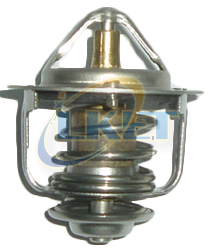
You can diagnose a faulty car thermostat with these simple, DIY checks—no special tools required, just basic observation and a few quick tests:
1. Check the Engine Temperature Gauge Behavior
This is the easiest first step, as a faulty thermostat often shows clear signs on the dashboard gauge.
- Sign of a stuck-closed thermostat: The gauge quickly rises to the overheat zone (usually past the midpoint, into the red) after starting the car—even on a cold day. The engine may feel hot to the touch under the hood, and you might smell hot coolant or see steam.
- Sign of a stuck-open thermostat: The gauge never reaches the normal operating range (stays below the midpoint) even after driving for 10–15 minutes. The heater inside the car will blow lukewarm air instead of hot air, because the engine can’t warm up properly.
2. Feel the Radiator Hose (Cold Engine Start Test)
Do this with a cold engine (hasn’t been run for at least 8 hours) to avoid burns:
- Start the engine and let it idle.
- Locate the upper radiator hose (thick rubber hose connecting the top of the radiator to the engine).
- Gently squeeze the hose every 2–3 minutes (wear gloves to stay safe).
- Normal operation: The hose will stay cool for the first 5–10 minutes (thermostat closed, no coolant flow to radiator). Once the engine hits optimal temp, the hose will suddenly get warm/hot (thermostat opens, coolant flows).
- Stuck-open thermostat: The hose gets warm almost immediately after starting the engine (coolant flows to radiator nonstop, so the engine can’t warm up).
- Stuck-closed thermostat: The hose stays cool indefinitely, and the temperature gauge will spike to overheat levels (coolant can’t reach the radiator to cool down).
3. Heater Output Test
A faulty thermostat directly affects the car’s heater, since the heater uses hot engine coolant to warm the cabin:
- Start the engine and let it run for 10–15 minutes (with the defroster or heater on high heat).
- Feel the air coming out of the vents.
- Stuck-open thermostat: Air stays lukewarm or cool—engine can’t produce enough heat to warm the coolant.
- Stuck-closed thermostat: Heater may blow hot air briefly, but then stop (as the engine overheats, the system may shut down to prevent damage).
Important Safety Notes
- Never open the radiator cap when the engine is hot—pressurized hot coolant can spray out and cause severe burns.
- If the engine overheats, turn it off immediately and let it cool down completely before checking anything.
The Integration Trend: "Two-in-One" Design Combining Heater Control Valve and Thermal Management System Makes Its Debut
Say Goodbye to Power Lag and Soaring Fuel Consumption: The Faulty Oxygen Sensor, the "Invisible Fuel Thief" You Might Be Overlooking
Related Article

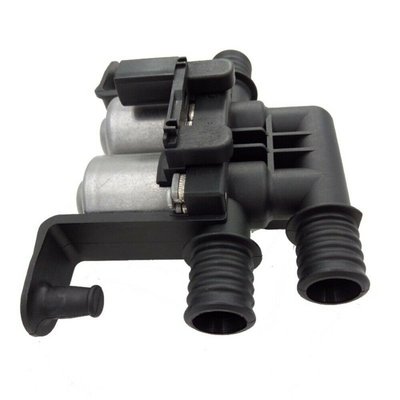
This guide outlines five key indicators for selecting a high-quality heater control valve: core materials (brass/stainless steel), sealing performance (FKM/EPDM seals), control method and accuracy, compatibility and craftsmanship, and brand reputation with warranty. By evaluating these factors, buyers can ensure durability, prevent leaks, and secure reliable winter heating for their vehicle.
Buying Guide: Five Key Indicators to Identify a High-Quality Heater Control Valve
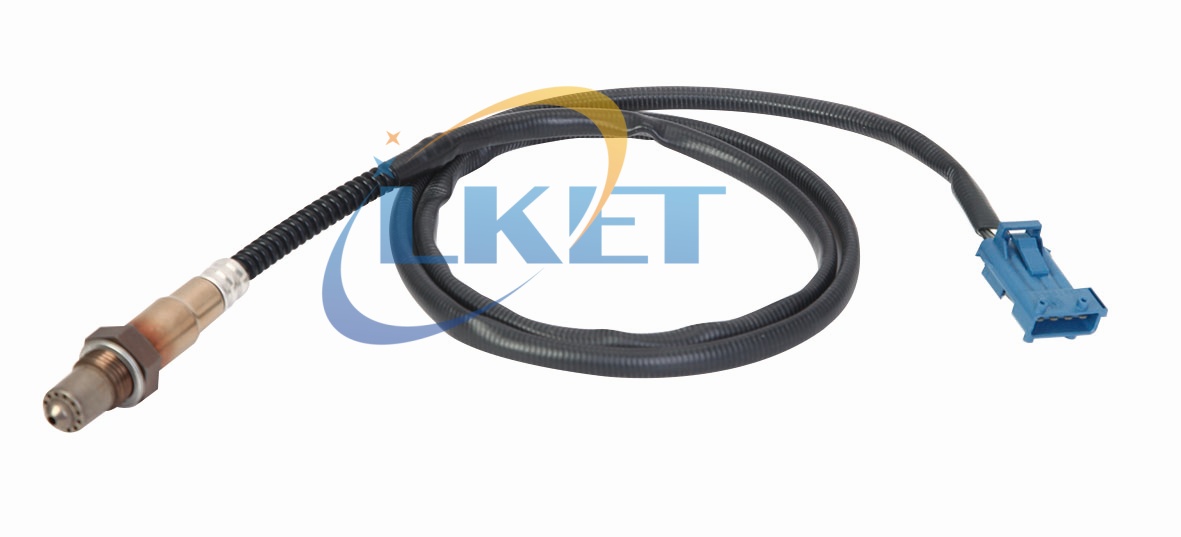
This article compares OEM and brand-name oxygen sensors, highlighting key factors for choosing between them. It explains that OEM parts ensure perfect compatibility and stability at a higher cost, while reputable brand-name parts offer significant savings and comparable performance for out-of-warranty vehicles. The guide recommends selecting reliable brands based on warranty status, vehicle model, and usage needs.
OEM Parts vs. Brand-Name Parts: How to Choose a Reliable Oxygen Sensor?