Rapid Warm-up in Extreme Cold: How High-Efficiency Heater Control Valves Drastically Reduce Winter Cabin Warm-up Time
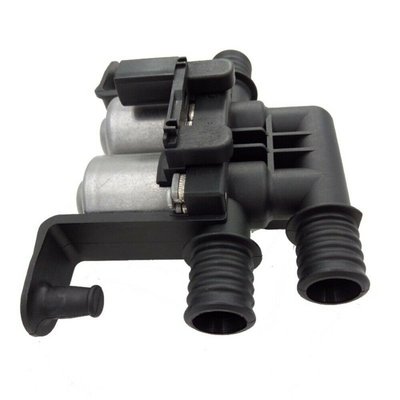
Imagine this scenario: a frigid morning with the outside temperature plummeting to -30°C, windows thick with frost. The driver gets into the icy cabin, starts the vehicle, and in the shortest time, warm, even airflow rapidly fills the interior, quickly clearing the windows. This is not a future vision but the user experience being delivered by vehicles equipped with the latest generation of high-efficiency heater control valves. Today, LINK, a global leader in thermal management solutions, officially launched its revolutionary "SwiftWarm" series of high-efficiency automotive heater control valves. Through breakthrough design, this product aims to fundamentally address the core shortcomings of traditional vehicle heating systems in extreme cold—slow warm-up and uneven heat output—reducing the average time to reach a comfortable cabin temperature in winter by over 40%. I. Technological Breakthrough: A Paradigm Shift from "Flow Restriction" to "Flow Guidance" Traditional heater control valves primarily act as simple "on/off" switches, controlling the flow of engine coolant to the heater core. However, during initial cold starts, the engine coolant itself is at a low temperature. Even when fully open, the internal flow path design of traditional valves imposes limitations on flow rate and velocity, preventing heat exchange efficiency from being maximized in the critical initial phase. LINK's "SwiftWarm" series valves represent a fundamental shift in design philosophy:
- Maximized Initial Heat Exchange Efficiency: Featuring a full-bore design and an ultra-low flow resistance internal passage. In the open state, the effective flow area is increased by over 25% compared to conventional products, allowing coolant to flow rapidly to the heater core with near-zero resistance. This enables the "first wave" of coolant, heated by the engine, to pass through at maximum flow rate, achieving a "sprint" phase of initial heat exchange.
- Optimized Internal Thermal Flow Path: Computational Fluid Dynamics (CFD) was used to simulate and optimize the flow path, eliminating internal "dead zones" and turbulence. This ensures coolant makes uniform and full thermal contact with the heater core, increasing total heat transfer per unit time.
- Rapid Response & Precise Control: Equipped with a high-performance linear proportional control valve or a high-speed switching valve, with a response time of less than 100 milliseconds to commands from the vehicle's climate control unit. The system can perform precise, linear, and stepless adjustment of coolant flow based on multiple signals such as set temperature, inside/outside temperature difference, and engine coolant temperature. This avoids the temperature fluctuations caused by the on/off switching of traditional valves, ensuring consistently stable and comfortable cabin temperatures.
II. User Experience & Value: Beyond Just "Speed" "In real-world testing conducted in extreme cold regions, test vehicles equipped with the 'SwiftWarm' valve reached a comfortable 20°C cabin temperature an average of 5-7 minutes faster than identical vehicles using traditional valves, in an ambient temperature of -25°C," stated the Chief Engineer at LINK. "Those precious minutes mean drivers don't have to wait in the cold, windows defrost and demist faster significantly improving driving safety, and the comfort experience is leapfrogged." Core Value Proposition:
- Enhanced Comfort & Safety: Rapid defrosting and demisting ensure clear visibility.
- Optimized Energy Utilization: Synergizes with the vehicle's overall thermal management system to improve the utilization of engine waste heat. Particularly in hybrid and internal combustion engine vehicles, this can indirectly reduce the additional fuel consumption required for heating.
- Increased System Reliability: Utilizes high-quality materials resistant to extreme temperatures and corrosion, along with long-life sealing technology, ensuring reliability and durability under frequent thermal cycling.
III. Empowering Future Mobility: A "Warmth" Essential for New Energy Vehicles For Battery Electric Vehicles (BEVs), winter heating is a critical factor affecting driving range. High-efficiency heater control valves play an even more vital role in the integrated thermal management systems of electric vehicles. The "SwiftWarm" series valves can efficiently coordinate with PTC heaters and heat pump systems. In heat pump mode, it can more intelligently direct refrigerant or coolant flow to optimize the system's Coefficient of Performance (COP). Even when a high-voltage PTC heater is needed for supplemental heating, the efficient water circulation enables faster heat transfer to the cabin, thereby reducing the high-power operation time of the PTC heater. This directly helps lower energy consumption in winter conditions, alleviating user "range anxiety." IV. Market Application & Outlook This product series has already gained recognition from several leading domestic and international automakers and is being implemented in upcoming new energy and premium internal combustion engine vehicle platforms. LINK is collaborating closely with partners to extend this technology to a broader range of vehicles, aiming to allow more users to experience "instant warmth" upon starting their vehicles in severe winter conditions. As vehicle intelligence and electrification advance, the once "humble" heater control valve is becoming a key component determining cabin comfort and overall vehicle energy efficiency. The launch of LINK's "SwiftWarm" series high-efficiency heater control valves represents not just an upgrade to a traditional part, but a significant step forward in pushing automotive thermal management towards greater efficiency, intelligence, and human-centric design.
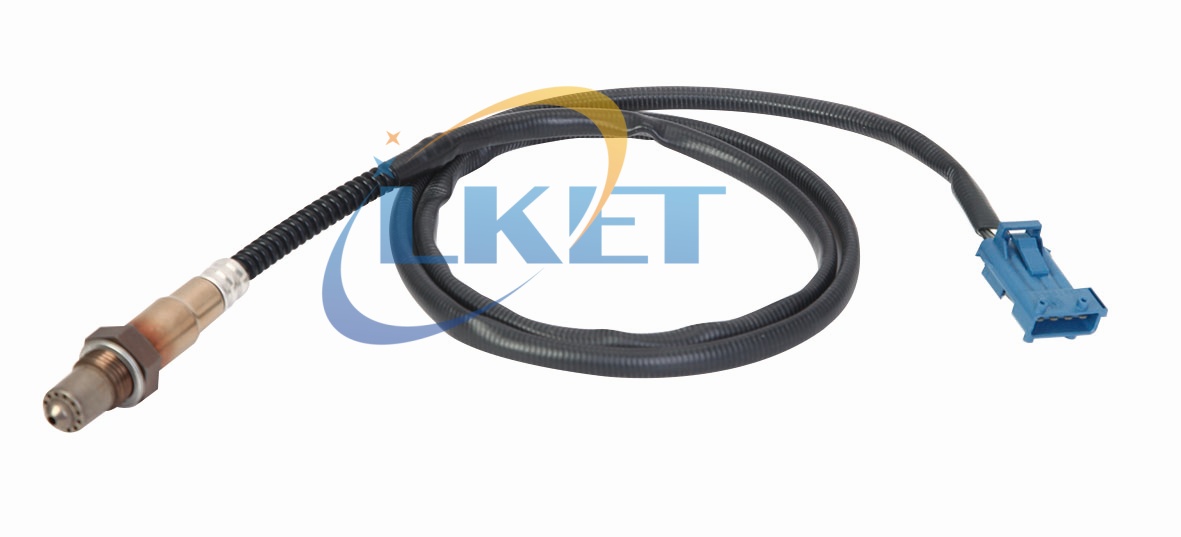
Say Goodbye to Power Lag and Soaring Fuel Consumption: The Faulty Oxygen Sensor, the "Invisible Fuel Thief" You Might Be Overlooking
Step-by-Step Guide to Replacing a Car’s Thermostat
Related Article