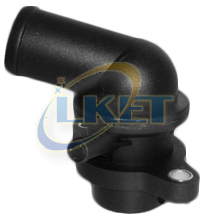
What Happens When a Thermostat Fails?
author: Emma
2025-12-05
A thermostat can and will fail over time, disrupting the normal flow of coolant in the engine. The consequences depend on how it malfunctions, typically falling into two scenarios:
- Stuck in the closed position: The valve remains shut, blocking coolant from flowing to the radiator. This causes the engine to overheat rapidly—parts may melt or disintegrate under extreme temperatures, leading to catastrophic and expensive damage.
Typical Symptoms of a Defective Thermostat
Recognizing the warning signs of a faulty thermostat (or related cooling system issues) can help you address problems early. Watch for these key symptoms:
- Abnormally high engine temperatures: If the temperature gauge climbs to optimal levels within minutes of starting the car and continues rising—even when the engine isn’t under stress (e.g., driving at low speeds or idling)—it’s a strong indicator of thermostat failure affecting temperature regulation.
- Fluctuating engine temperatures: Erratic shifts between hot and cold, such as the gauge spiking into the red zone then dropping suddenly, signal that the thermostat valve isn’t opening and closing at the correct times. This uncontrolled rise and fall of heat levels means the thermostat can no longer regulate temperature effectively.
- Coolant leaks or loss: Overheated coolant may evaporate or escape through cracks in hoses, radiators, or other components—often caused by pressure buildup from a stuck thermostat. Visible coolant patches under the car, or a sweet, burning smell (a signature of leaking coolant), are clear red flags. Left unaddressed, low coolant levels can corrode metal parts and worsen system damage.
To keep your cooling system—and by extension, your engine—in good shape, regular checks are a must. Monitor coolant levels to ensure no evaporation or leaks have occurred, as low coolant can compromise the thermostat’s ability to function effectively. While the thermostat may not receive as much attention as radiators or water pumps, its role in preserving engine health is irreplaceable. It is the unsung hero that keeps your car running smoothly, preventing both overheating and unnecessary wear from cold-start inefficiencies—so recognizing its failure symptoms and addressing issues promptly is key to avoiding costly repairs.
Step-by-Step Guide to Replacing a Car’s Thermostat
The Thermostat: A Small But Pivotal Component in Your Car’s Cooling System
Related Article
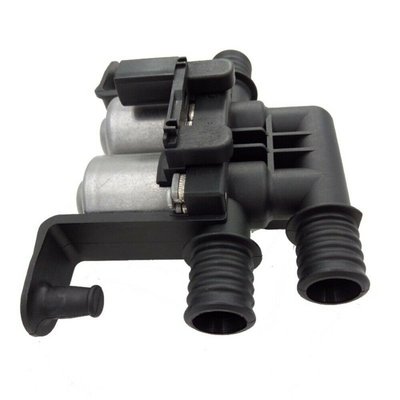
This guide outlines five key indicators for selecting a high-quality heater control valve: core materials (brass/stainless steel), sealing performance (FKM/EPDM seals), control method and accuracy, compatibility and craftsmanship, and brand reputation with warranty. By evaluating these factors, buyers can ensure durability, prevent leaks, and secure reliable winter heating for their vehicle.
Buying Guide: Five Key Indicators to Identify a High-Quality Heater Control Valve
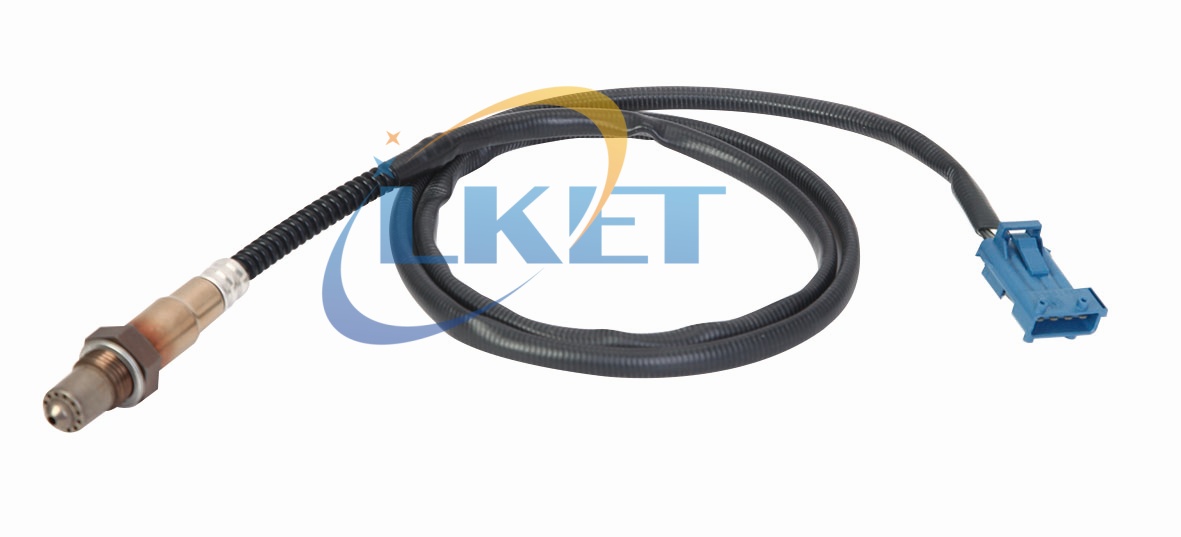
This article compares OEM and brand-name oxygen sensors, highlighting key factors for choosing between them. It explains that OEM parts ensure perfect compatibility and stability at a higher cost, while reputable brand-name parts offer significant savings and comparable performance for out-of-warranty vehicles. The guide recommends selecting reliable brands based on warranty status, vehicle model, and usage needs.
OEM Parts vs. Brand-Name Parts: How to Choose a Reliable Oxygen Sensor?