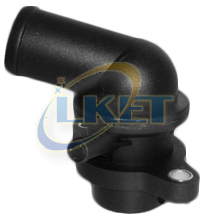
The Thermostat: A Small But Pivotal Component in Your Car’s Cooling System
author: W
2025-12-12
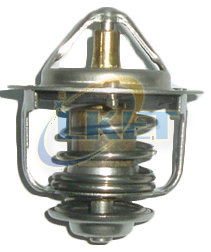
Cars have evolved into highly advanced machines, so much so that we often overlook the fact that, like all equipment, they require regular maintenance to function properly. Among the critical systems that demand attention is the cooling system—responsible for preventing engine overheating, which could otherwise lead to costly repairs down the line. While radiators, water pumps, hoses, and valves work in tandem to circulate liquid coolant through hot engine parts, one component often flies under the radar despite its vital role: the thermostat.
Thermostats are fundamental to water-cooled internal combustion (IC) engines, whether four-stroke or two-stroke. Their core function is to regulate the temperature of engine cooling water (jacket water) during operation. When the engine is cold, the thermostat enables rapid warm-up; once the desired operating temperature (typically around 90 degrees Celsius) is reached, it maintains that temperature stability. Think of it as an intelligent on/off switch: it controls the flow of cooling water to the radiator. As the coolant temperature rises, the thermostat’s main valve (or primary valve) gradually opens, directing more hot coolant to the radiator for cooling—ensuring the engine stays within safe temperature limits.
This seemingly simple mechanism is indispensable. A large portion of engine failures stem from two key issues: insufficient lubrication (causing metal parts to grind) and malfunctioning cooling system components. The thermostat works alongside oil and coolant to keep the engine’s operating temperature in check—without it, the engine could overheat or fail to reach optimal operating temperature efficiently. Most thermostats are designed to last 10 years or more, but premature failure can occur, making regular cooling system maintenance essential.
To keep your cooling system—and by extension, your engine—in good shape, regular checks are a must. Monitor coolant levels to ensure no evaporation or leaks have occurred, as low coolant can compromise the thermostat’s ability to function effectively. While the thermostat may not receive as much attention as radiators or water pumps, its role in preserving engine health is irreplaceable. It is the unsung hero that keeps your car running smoothly, preventing both overheating and unnecessary wear from cold-start inefficiencies.
What Happens When a Thermostat Fails?
What causes ABS sensor problems?
Related Article

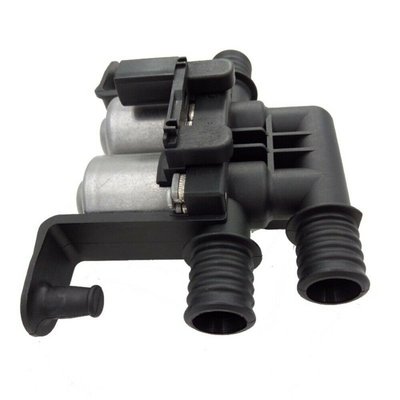
This guide outlines five key indicators for selecting a high-quality heater control valve: core materials (brass/stainless steel), sealing performance (FKM/EPDM seals), control method and accuracy, compatibility and craftsmanship, and brand reputation with warranty. By evaluating these factors, buyers can ensure durability, prevent leaks, and secure reliable winter heating for their vehicle.
Buying Guide: Five Key Indicators to Identify a High-Quality Heater Control Valve
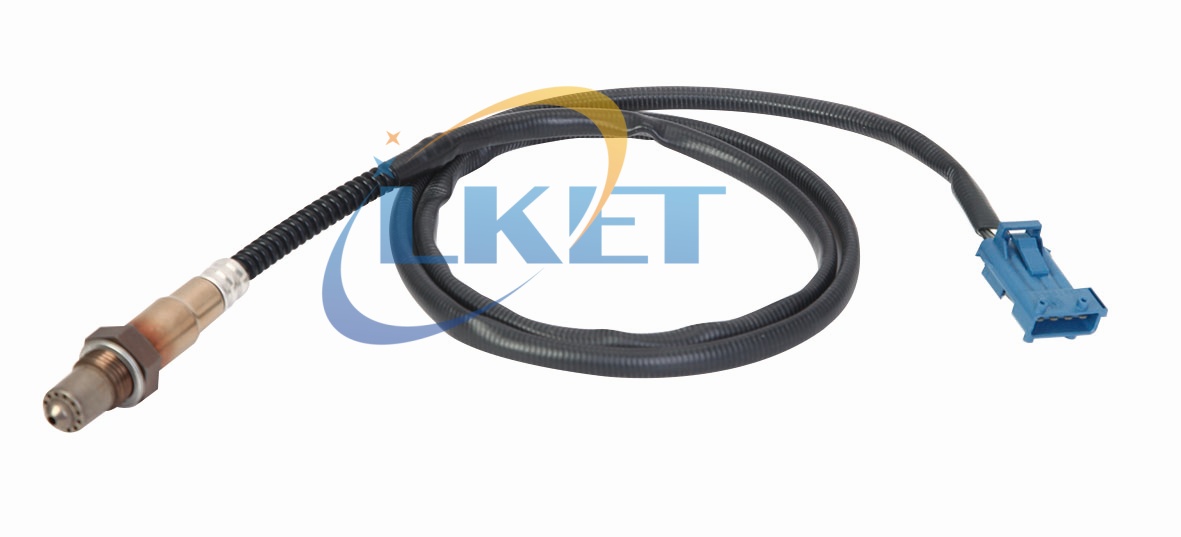
This article compares OEM and brand-name oxygen sensors, highlighting key factors for choosing between them. It explains that OEM parts ensure perfect compatibility and stability at a higher cost, while reputable brand-name parts offer significant savings and comparable performance for out-of-warranty vehicles. The guide recommends selecting reliable brands based on warranty status, vehicle model, and usage needs.
OEM Parts vs. Brand-Name Parts: How to Choose a Reliable Oxygen Sensor?