What causes ABS sensor problems?
author: W
2025-11-21
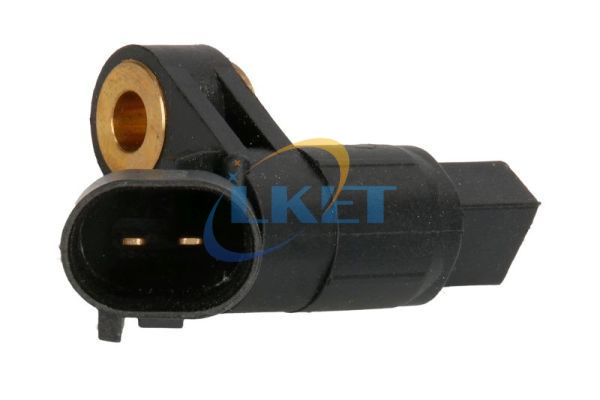
Two Types of ABS Sensor Faults and Their Causes
ABS sensor faults primarily fall into two categories: electrical and mechanical. Each type differs significantly in its triggers, symptoms, and troubleshooting methods. Understanding these differences enables more efficient problem identification and resolution.
I. Electrical Faults: Disruptors of Signal Transmission
Electrical faults stem from issues in signal generation or transmission, often caused by abnormalities in the sensor itself, connectors, or wiring.
- Sensor Malfunction: Internal component aging or corrosion in the sensor can render it unable to generate wheel speed signals properly.
- Connector Issues: Terminals in the sensor connector are critical for signal transmission. Corroded terminals (as shown in the photo) can break circuit continuity, leading to signal interruptions or distortion—a common problem in vehicles operating in humid or dusty environments long-term.
- Wiring Damage: The sensor wire is typically integrated with the sensor as a single unit. Damage such as rodent chewing, wear-induced corrosion, or short circuits can directly cut off the signal path, triggering ABS system warnings.
II. Mechanical Faults: Damagers of Physical Structure
Mechanical faults result from physical damage or improper installation of sensor-related components, disrupting the sensor’s ability to accurately detect wheel speed.
- Damaged Tone (Encoder) Ring: The tone ring is a core component that works with the sensor. Cracks or deformation in the tone ring (as shown in the photo of a broken ABS sensor tone ring) prevent the sensor from capturing regular speed signals. In some vehicles, the tone ring is built into the drive shaft; if damaged and not available as a separate part, the entire drive shaft may need replacement.
- Wheel Bearing Problems: Loose wheel bearings or incorrect installation alter the distance between the sensor and tone ring, disrupting their alignment and causing inaccurate detection signals.
- Foreign Object Interference: Debris like sand, mud, or metal shavings between the sensor and tone ring can block the sensor’s detection of ring rotation, resulting in signal anomalies.
The Thermostat: A Small But Pivotal Component in Your Car’s Cooling System
Strong Demand in Aftermarket, Steady Quality Improvement in Domestic Oxygen Sensor Brands
Related Article

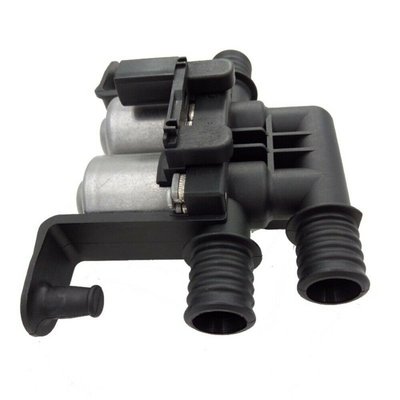
This guide outlines five key indicators for selecting a high-quality heater control valve: core materials (brass/stainless steel), sealing performance (FKM/EPDM seals), control method and accuracy, compatibility and craftsmanship, and brand reputation with warranty. By evaluating these factors, buyers can ensure durability, prevent leaks, and secure reliable winter heating for their vehicle.
Buying Guide: Five Key Indicators to Identify a High-Quality Heater Control Valve
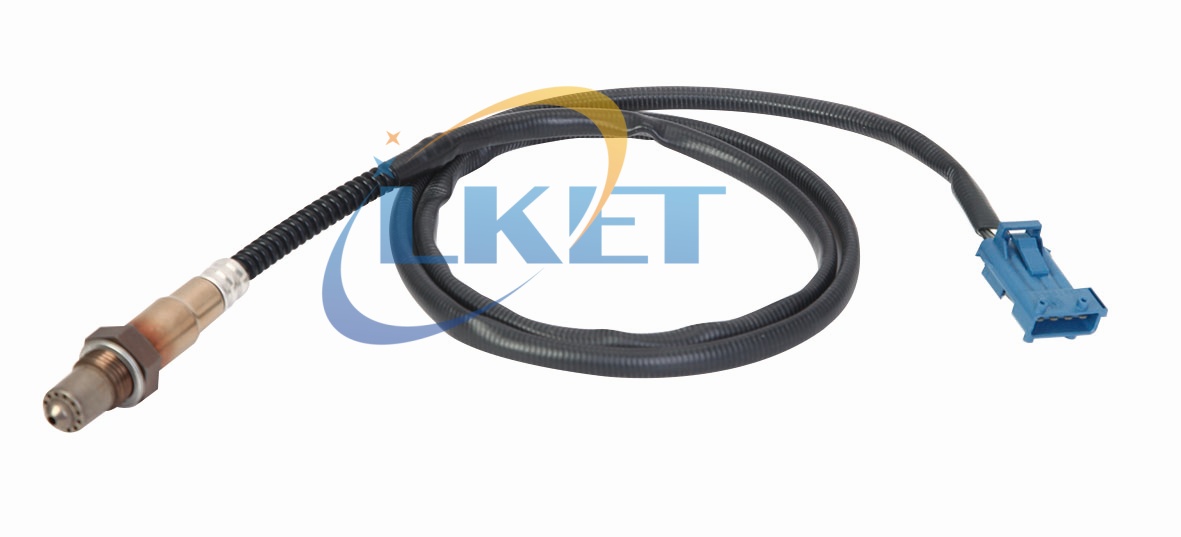
This article compares OEM and brand-name oxygen sensors, highlighting key factors for choosing between them. It explains that OEM parts ensure perfect compatibility and stability at a higher cost, while reputable brand-name parts offer significant savings and comparable performance for out-of-warranty vehicles. The guide recommends selecting reliable brands based on warranty status, vehicle model, and usage needs.
OEM Parts vs. Brand-Name Parts: How to Choose a Reliable Oxygen Sensor?