Beware! A Faulty Oxygen Sensor Could Increase Your Car's Fuel Consumption by 20%
author: ARong
2025-10-17
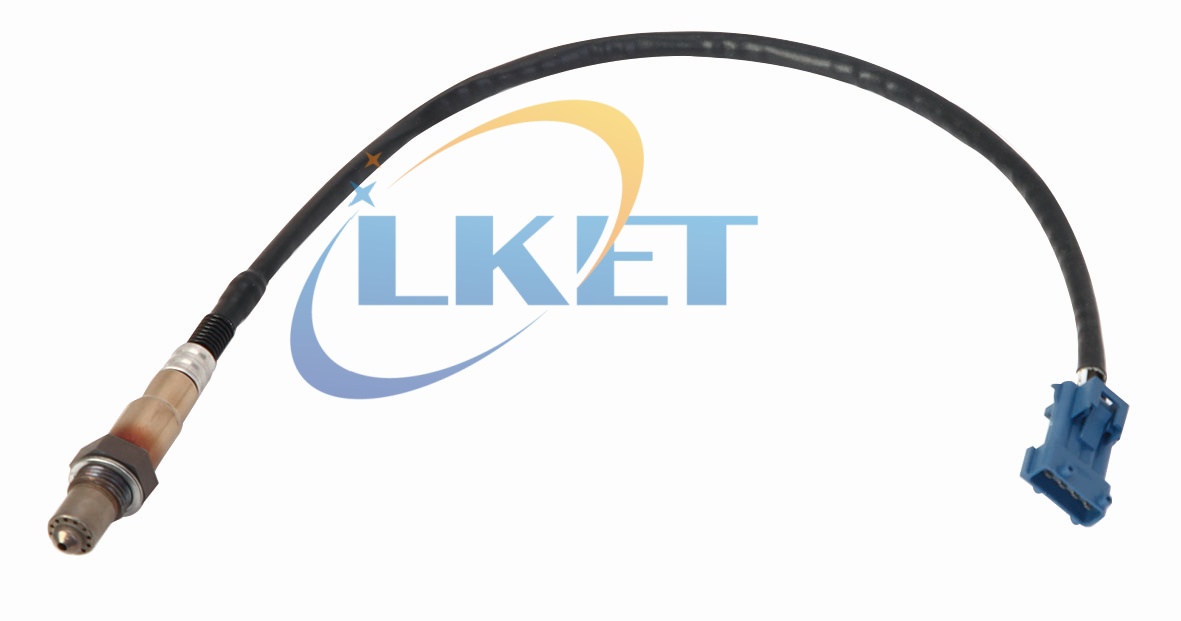
Small Part, Big Role: It's the Car's "Energy-Saving Director"
-
Significant Increase in Fuel Consumption: This is the most direct signal, with potential increases of 10% to 20% or even higher. -
Unstable Engine Idle: Such as fluctuating RPM needle or slight body shudder when idling. -
Decreased Performance: Lack of power during acceleration, feeling the car is "sluggish." -
Abnormal Exhaust Smell: A pungent smell of gasoline from the exhaust due to incomplete combustion. -
Check Engine Light Illuminates: The malfunction indicator lamp (often a yellow icon) may light up.
How a Small Water Valve Can Boost a Vehicle's Overall Efficiency and Comfort
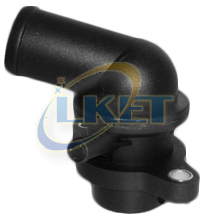
What are the main technologies used in thermostats?
Related Article

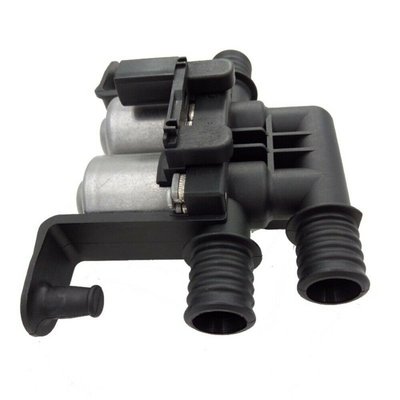
This guide outlines five key indicators for selecting a high-quality heater control valve: core materials (brass/stainless steel), sealing performance (FKM/EPDM seals), control method and accuracy, compatibility and craftsmanship, and brand reputation with warranty. By evaluating these factors, buyers can ensure durability, prevent leaks, and secure reliable winter heating for their vehicle.
Buying Guide: Five Key Indicators to Identify a High-Quality Heater Control Valve
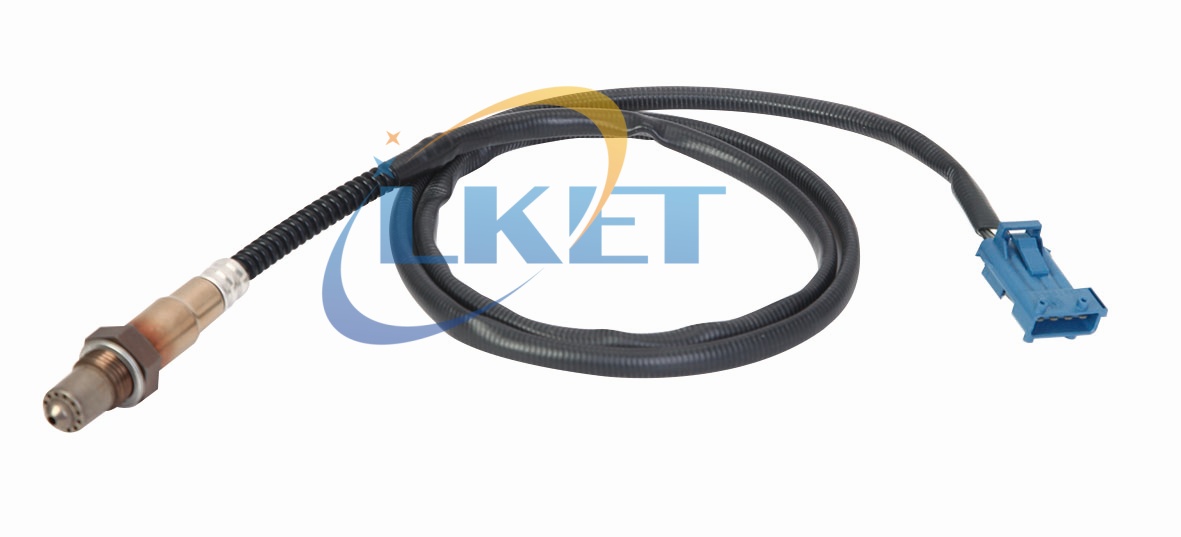
This article compares OEM and brand-name oxygen sensors, highlighting key factors for choosing between them. It explains that OEM parts ensure perfect compatibility and stability at a higher cost, while reputable brand-name parts offer significant savings and comparable performance for out-of-warranty vehicles. The guide recommends selecting reliable brands based on warranty status, vehicle model, and usage needs.
OEM Parts vs. Brand-Name Parts: How to Choose a Reliable Oxygen Sensor?