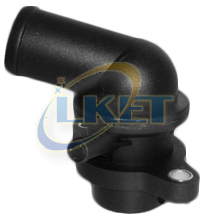
Can I Still Drive My Car If The Thermostat Is Broken?
author: W
2025-10-24
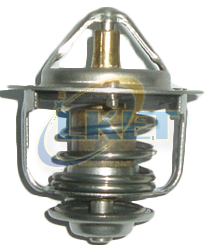
The thermostat regulates coolant flow to keep your engine at 195°F–220°F (90°C–105°C)—critical for efficiency and longevity. Whether you can drive with a broken one depends on how it fails, and driving should only be temporary.
How Thermostats Fail (2 Key Modes)
1. Stuck Open
- Signs: Temperature gauge stays cold (even after 10–15 mins of driving); weak heater.
- Impact: Engine runs too cold, reducing fuel efficiency, increasing emissions, and thickening oil (causing extra wear over time).
2. Stuck Closed (More Dangerous)
- Signs: Temperature gauge spikes to "hot"/red zone; burning coolant smell or steam; warning light.
- Impact: Engine overheats, risking blown head gaskets, warped cylinder heads, or seized pistons (costly or catastrophic damage).
Can You Drive?
Stuck Open: Only Short Trips (Temporarily)
- Safe for 5–10 miles (e.g., to a mechanic) in mild weather.
- Avoid cold weather (risk of frozen coolant lines) or long/highway trips (cumulative wear isn’t worth it).
Stuck Closed: Do NOT Drive—Stop Now
- Pull over safely, turn off the engine, and let it cool (30–60 mins). Never open the hot radiator cap (risk of burns).
- To reach a mechanic: Add 50/50 coolant-water if low—but this is a temporary fix, not a reason to keep driving.
Next Steps: Fix It ASAP
- Confirm the issue: A mechanic uses a scan tool or cooling system check to verify.
- Replace the thermostat: Part costs 20–50; labor 80–200 (varies by car).
- Check the cooling system: Inspect coolant, radiator, water pump, and hoses—failure may signal other issues.
Final Takeaway
- Stuck open: Short trips to a mechanic only.
- Stuck closed: Stop driving immediately.
Replace the thermostat quickly—your engine and wallet will avoid bigger problems.
What are the main technologies used in thermostats?
What about smart thermostats?
Related Article

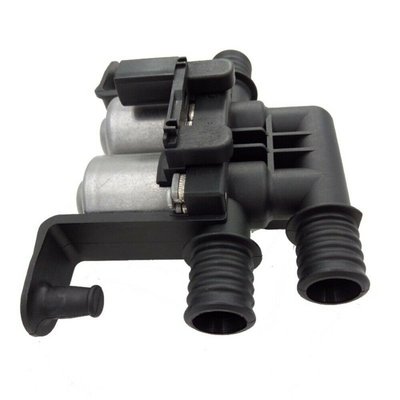
This guide outlines five key indicators for selecting a high-quality heater control valve: core materials (brass/stainless steel), sealing performance (FKM/EPDM seals), control method and accuracy, compatibility and craftsmanship, and brand reputation with warranty. By evaluating these factors, buyers can ensure durability, prevent leaks, and secure reliable winter heating for their vehicle.
Buying Guide: Five Key Indicators to Identify a High-Quality Heater Control Valve
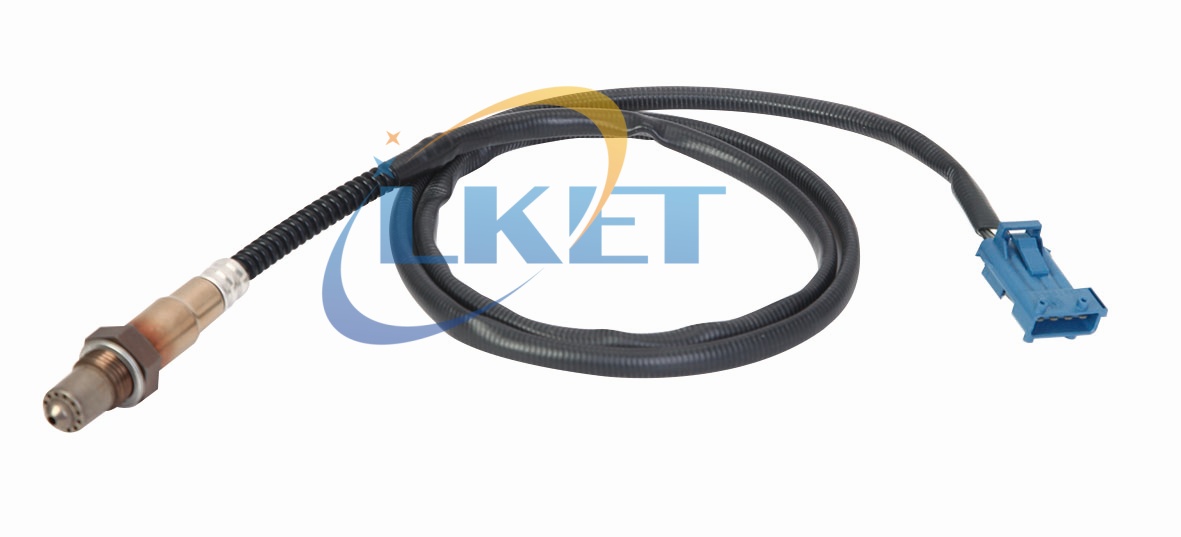
This article compares OEM and brand-name oxygen sensors, highlighting key factors for choosing between them. It explains that OEM parts ensure perfect compatibility and stability at a higher cost, while reputable brand-name parts offer significant savings and comparable performance for out-of-warranty vehicles. The guide recommends selecting reliable brands based on warranty status, vehicle model, and usage needs.
OEM Parts vs. Brand-Name Parts: How to Choose a Reliable Oxygen Sensor?