Winter Car Heater Not Working? The Heater Valve is the Key!
The weather is getting colder,
and the frequency of using the heater is increasing.
Although the heater valve is just a small component,
its importance cannot be overlooked.
It acts as the "commander" of the entire heating system.
Today, let’s learn more about it together.
Function and Types of Heater Valves
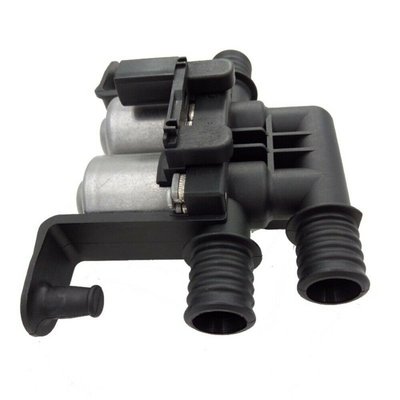
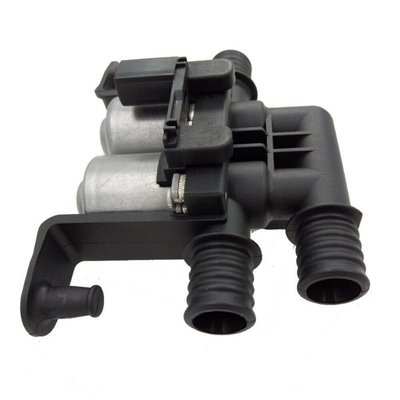
The heater valve is a valve body that controls the flow of hot water to the heater core in the vehicle’s air conditioning heating system. It is usually located on the inlet or outlet pipe of the heater core and is activated by manual pulling, electronic controls, or vacuum signals to perform switching actions. Based on the actuation method, it can be classified into mechanical, vacuum, and electromagnetic types.
01 Mechanical Type
Uses a swing lever to rotate the valve core, controlling the opening and closing of the heater water valve and regulating the flow of circulating coolant.
02 Vacuum Type
Uses a vacuum diaphragm box to control the opening and closing of the heater water valve.
03 Electromagnetic Type
Uses an electromagnet to control the opening and closing of the heater water valve.
Symptoms of Heater Valve Failure
If the heater valve fails, it may cause the heating system to stop working or function abnormally.
No Heat
When using the heater in winter, if the heater valve fails to open, the heater core cannot receive hot water circulation. Even when the hot air conditioning is turned to maximum, there is no warm air, or the warmth is insufficient.
Regulation Failure
For automatic climate control systems, if the heater valve fails to regulate properly, maintaining a constant cabin temperature becomes impossible. For vehicles with dual-zone air conditioning, the heater valve is controlled by two solenoid valves, separately for the driver and passenger sides. If one of the heater valves fails, it may result in one side blowing hot air while the other blows cold air.
Water Leakage
Since the heater valve is connected to multiple heater water pipes and contains internal motors, poor sealing can lead to coolant leakage. This may cause a loss of coolant and, in severe cases, result in engine overheating.
Reminder: If a heater valve malfunction is detected, replace it promptly!
High-Quality Heater Valve
Giving You a Warm Winter
The core component of a car heater valve is the four-way valve. The four-way valve serves as the temperature control switch of the car’s heating system. The coil element inside the switch controls the opening and closing of the valve. The heater valve has four ports, which can control the flow of refrigerant to regulate the cabin temperature.
-
The interface base is made of high-strength PPA+GF33 glass fiber plastic from DuPont, USA, offering excellent stability and resistance to deformation.
-
The interface sealing ring uses EPDM material, which is heat-resistant, corrosion-resistant, and anti-aging, effectively preventing leaks.
-
The switch coil utilizes enameled wire from German company Elektrisola, improving product performance by over 30%. The optimized coil and connection structure design ensure more stable contact.
BMTSR Heater Valve Maintenance Tips
Before using the heater, check the left and right air ducts, as well as the inlet and outlet hoses for looseness, detachment, or damage.
Check the heating system for abnormal vibrations, whether the pipes are leaking air, if the condensate tank water level is normal, and if the condensate pump is working properly.
Professional Guide to Oxygen Sensor Installation: Standardized Operation is the Core of Performance Assurance
What are the advantages of a thermostat
Related Article