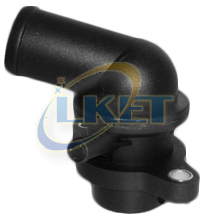
What Does a Thermostat Do in a Car?
author: W
2025-07-25
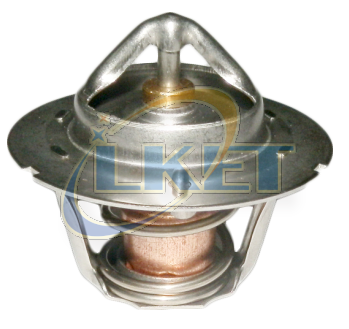
A car thermostat is a small yet crucial component in the cooling system, whose core function is to precisely regulate the engine's operating temperature, ensuring the engine runs within the optimal range of 90–105°C (195–220°F). This guarantees efficient power output, fuel economy, and service life. Below is a detailed breakdown of its specific functions and working principles:
1. Accelerates Engine Warm-Up
When the engine is cold (e.g., during initial startup), the thermostat remains closed. This blocks the flow of coolant from the engine to the radiator, preventing heat loss from the coolant to the outside air. Instead, the coolant circulates only within the engine block and cylinder head, allowing the engine to warm up rapidly.
- Key significance: A cold engine is highly inefficient—fuel combustion is incomplete, oil is thicker (increasing frictional resistance), and exhaust emissions are excessive. Rapid warm-up reduces engine wear and improves fuel efficiency.
2. Maintains Optimal Operating Temperature
Once the engine reaches the preset ideal temperature (determined by the thermostat's design parameters), the thermostat opens automatically. Hot coolant then flows from the engine to the radiator, where excess heat is released into the air through the radiator fins and fan. The cooled coolant then returns to the engine to absorb more heat, forming a continuous cycle.
- If the engine temperature becomes too high, the thermostat stays open to maximize heat dissipation;
- If the engine temperature drops below the optimal range (e.g., in cold weather), the thermostat closes again to retain heat.
3. Prevents Overheating and Cold-Engine Damage
- Overheating protection: By controlling coolant flow, the thermostat stops the engine from getting too hot, which could cause severe damage such as warped cylinder heads or blown gaskets.
- Cold-engine prevention: Without a thermostat, coolant would continuously flow to the radiator, keeping the engine in a persistently cold state. This leads to poor fuel combustion, increased emissions, and intensified engine wear (since cold oil has poor lubricating properties).
Mechanical Working Principle of a Thermostat
Most car thermostats use a wax-element structure, mainly consisting of:
- A sealed chamber filled with wax;
- A valve connected to a piston.
When cold, the wax is solid, and the valve is closed. As the engine warms up, the wax melts and expands, pushing the piston to open the valve. When the engine cools down, the wax contracts, and a spring closes the valve again.
Typical Symptoms of a Faulty Thermostat
- Stuck closed: The engine overheats quickly (coolant cannot reach the radiator).
- Stuck open: The engine takes too long to warm up or never reaches the operating temperature (poor heater performance in cold weather is a common sign).
A malfunctioning thermostat should be replaced promptly to avoid engine damage or performance degradation.
In short, the thermostat acts as the "temperature gatekeeper" of the engine, balancing heat retention and dissipation to ensure the engine operates efficiently and safely.
What are the symptoms if an ABS sensor breaks down?
How to Diagnose a Faulty Oxygen Sensor
Related Article

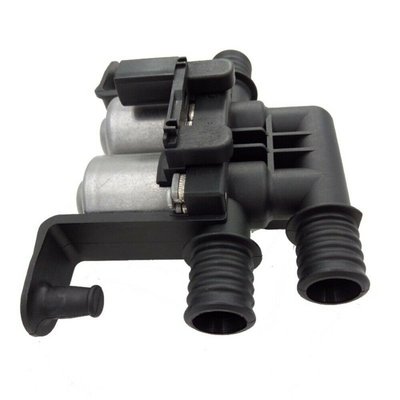
This guide outlines five key indicators for selecting a high-quality heater control valve: core materials (brass/stainless steel), sealing performance (FKM/EPDM seals), control method and accuracy, compatibility and craftsmanship, and brand reputation with warranty. By evaluating these factors, buyers can ensure durability, prevent leaks, and secure reliable winter heating for their vehicle.
Buying Guide: Five Key Indicators to Identify a High-Quality Heater Control Valve
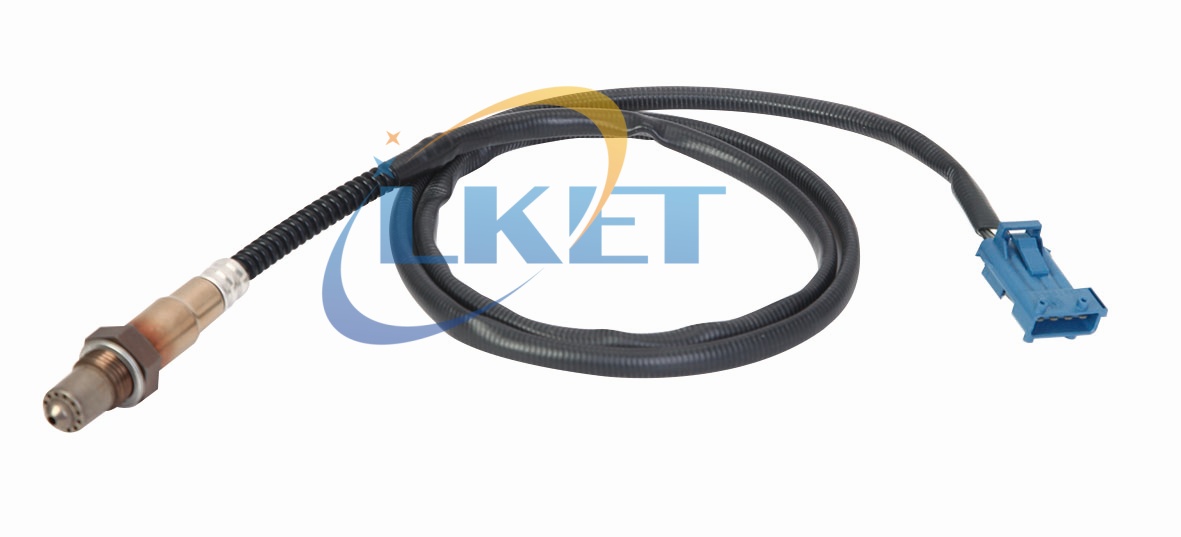
This article compares OEM and brand-name oxygen sensors, highlighting key factors for choosing between them. It explains that OEM parts ensure perfect compatibility and stability at a higher cost, while reputable brand-name parts offer significant savings and comparable performance for out-of-warranty vehicles. The guide recommends selecting reliable brands based on warranty status, vehicle model, and usage needs.
OEM Parts vs. Brand-Name Parts: How to Choose a Reliable Oxygen Sensor?