Why heater valve control is important?
author: Rosa
2025-07-11
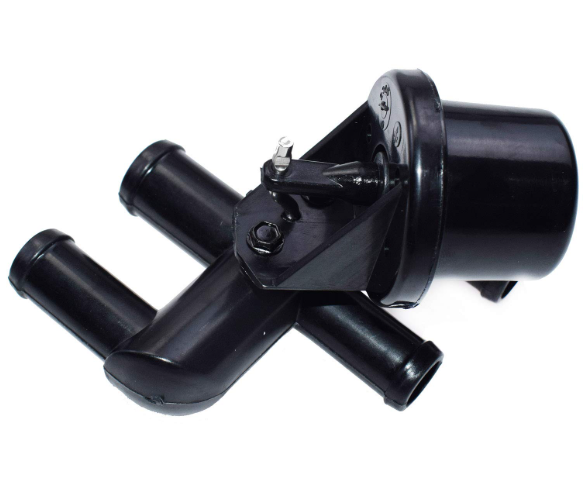
1.Adjust cabin temperature: The heater control valve ensures that the proper amount of hot coolant reaches the heater core, allowing you to control the desired cabin temperature.
2.Enable proper AC function: according to YourMechanic, when the air conditioner is in use, the heater control valve closes, preventing hot coolant from entering the heater core and interfering with the AC's ability to cool the air. This allows the alternating current to operate efficiently.
3.Defrosting and visibility: The heater system relies on heater control valves and is critical for defrosting windshields in cold weather to ensure clear visibility.
How to Diagnose a Faulty Oxygen Sensor
How is an abs sensor maintained?
Related Article

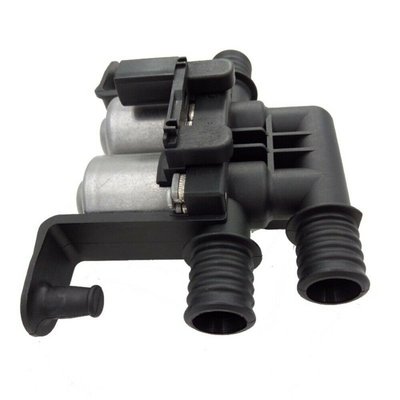
This guide outlines five key indicators for selecting a high-quality heater control valve: core materials (brass/stainless steel), sealing performance (FKM/EPDM seals), control method and accuracy, compatibility and craftsmanship, and brand reputation with warranty. By evaluating these factors, buyers can ensure durability, prevent leaks, and secure reliable winter heating for their vehicle.
Buying Guide: Five Key Indicators to Identify a High-Quality Heater Control Valve
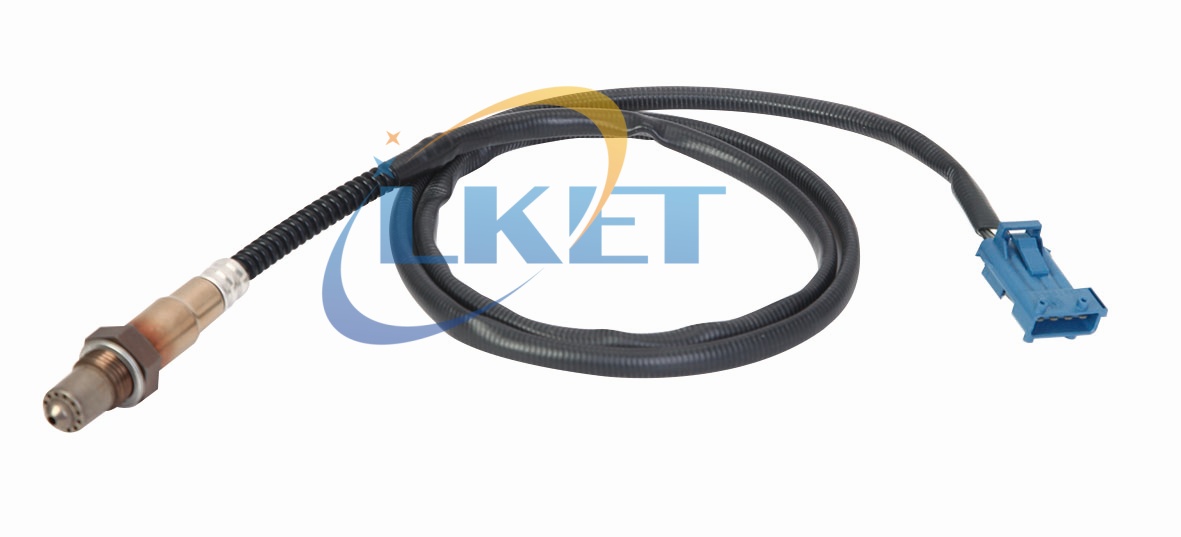
This article compares OEM and brand-name oxygen sensors, highlighting key factors for choosing between them. It explains that OEM parts ensure perfect compatibility and stability at a higher cost, while reputable brand-name parts offer significant savings and comparable performance for out-of-warranty vehicles. The guide recommends selecting reliable brands based on warranty status, vehicle model, and usage needs.
OEM Parts vs. Brand-Name Parts: How to Choose a Reliable Oxygen Sensor?