How many ABS sensors are there in a vehicle?
author: W
2025-06-27
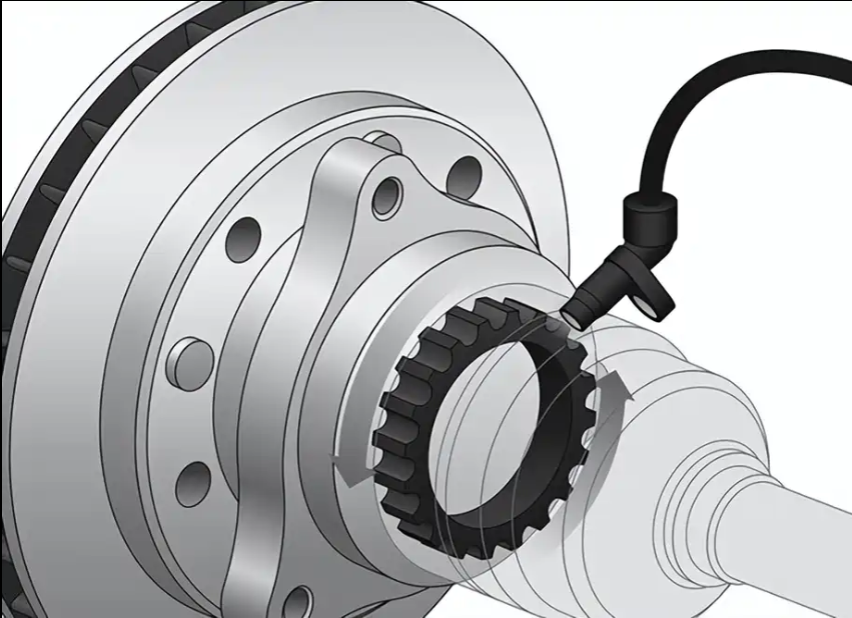
As one of the most critical safety systems in automotive engineering, the Anti-lock Braking System (ABS) was pioneered by Bosch and first deployed in mass production on Mercedes-Benz vehicles. Decades of technological advancement have seen ABS evolve into an indispensable safety feature, working in tandem with the Electronic Stability Program (ESP) to safeguard driving stability and control.
Core Functionality of ABS
The primary purpose of ABS is to prevent wheel lockup during braking, thereby eliminating dangerous skidding and fishtailing that could compromise vehicle control. By maintaining rotational dynamics in each wheel, ABS ensures drivers can retain steering capability even under heavy braking.
System Composition and Architectural Design
An ABS typically comprises the following integral components:
-
Control Module (ECU): The neural center that processes sensor data and executes real-time braking adjustments.
-
Brake Master Cylinder: Generates hydraulic pressure to activate the braking mechanism.
-
Hydraulic Lines: Facilitate the transmission of brake fluid under pressure.
-
ABS Wheel Speed Sensors: Critical sensory components that monitor rotational velocity.
ABS Sensor Configuration and Placement
The system employs four wheel speed sensors as its sensory backbone, strategically positioned:
-
One per wheel (front-left, front-right, rear-left, rear-right)
-
Mounted adjacent to the inner wheel bearings on the steering knuckles ("羊角"), ensuring precise rotational speed detection.
How is an abs sensor maintained?
Oxygen Sensor Product Types and Application Compatibility Explained
Related Article

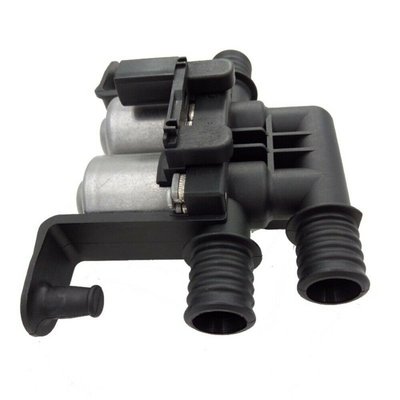
This guide outlines five key indicators for selecting a high-quality heater control valve: core materials (brass/stainless steel), sealing performance (FKM/EPDM seals), control method and accuracy, compatibility and craftsmanship, and brand reputation with warranty. By evaluating these factors, buyers can ensure durability, prevent leaks, and secure reliable winter heating for their vehicle.
Buying Guide: Five Key Indicators to Identify a High-Quality Heater Control Valve
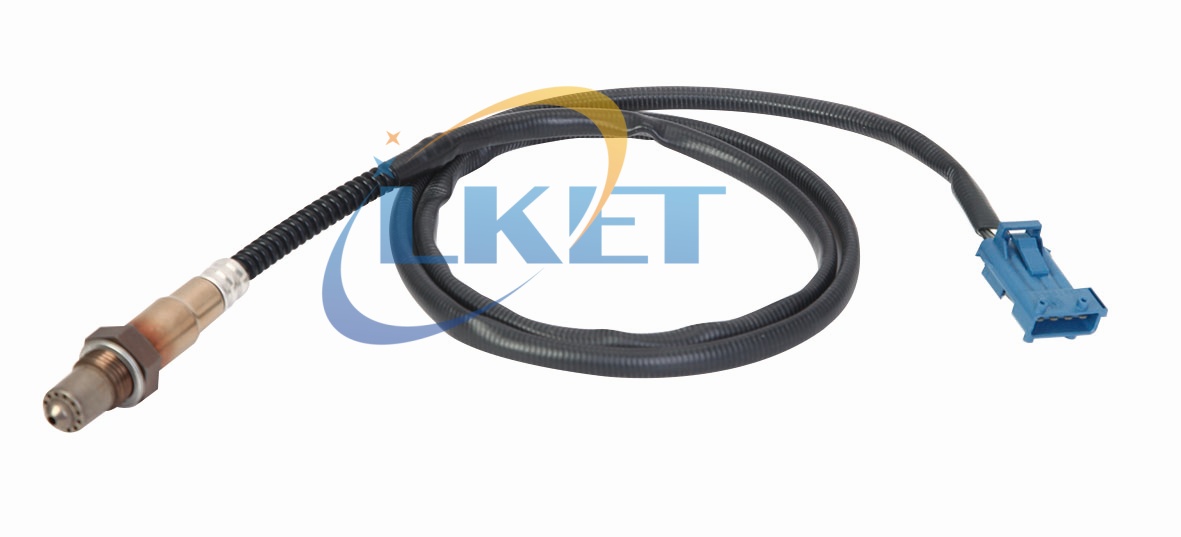
This article compares OEM and brand-name oxygen sensors, highlighting key factors for choosing between them. It explains that OEM parts ensure perfect compatibility and stability at a higher cost, while reputable brand-name parts offer significant savings and comparable performance for out-of-warranty vehicles. The guide recommends selecting reliable brands based on warranty status, vehicle model, and usage needs.
OEM Parts vs. Brand-Name Parts: How to Choose a Reliable Oxygen Sensor?