Oxygen Sensor Product Types and Application Compatibility Explained
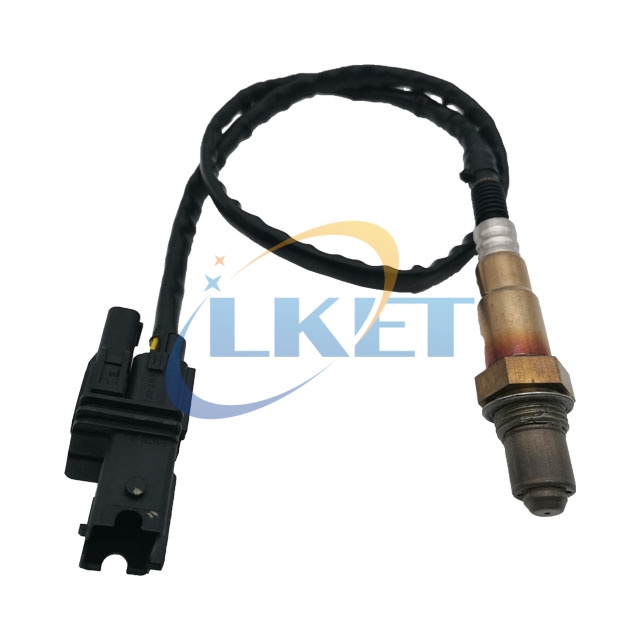
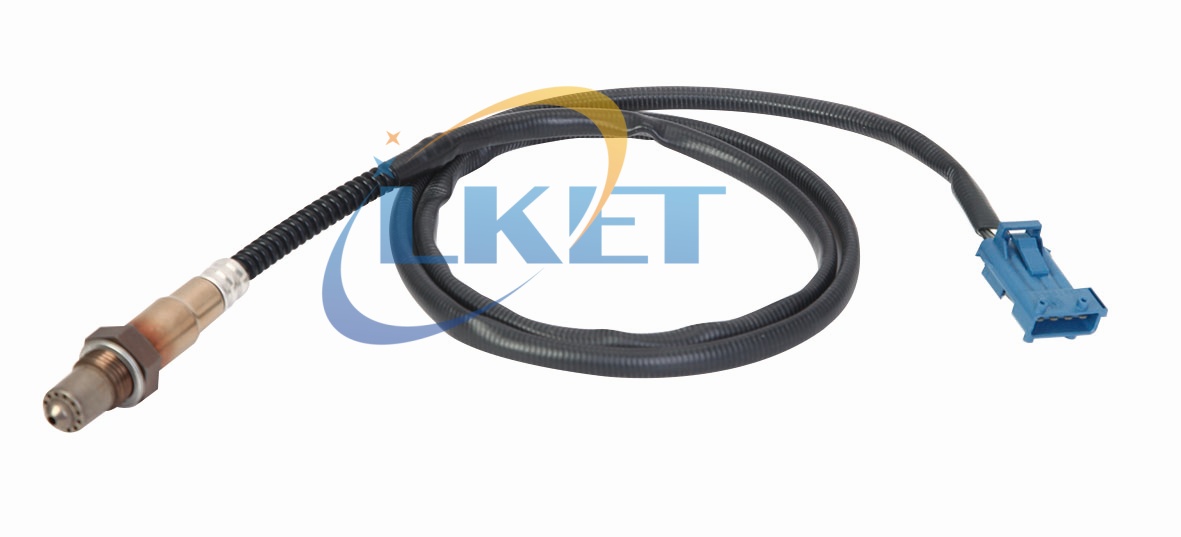
Oxygen sensors can be categorized into four primary types based on their operational principles and application scenarios, addressing diverse precision monitoring needs across industries:
- Narrow-Band Oxygen Sensors utilize zirconia dioxide technology, offering cost efficiency and reliability for exhaust control in traditional fuel-powered vehicles.
- Wide-Band Oxygen Sensors employ advanced pump cell technology to accurately measure air-fuel ratios (λ) from 0.7 to 4.0, making them ideal for hybrid vehicles and industrial combustion optimization.
- Limiting Current Sensors are engineered for extreme environments (>800°C), widely implemented in steelmaking, metallurgy, and chemical processing.
- Solid-State Electrolyte Sensors feature exceptional corrosion resistance and extended service life, serving as the preferred solution for marine, petrochemical, and other harsh applications.
Within the automotive sector, we deliver tailored solutions: Narrow-band sensors optimize costs for conventional gasoline vehicles; wide-band sensors enhance combustion efficiency in hybrid and China VI/Euro 6-compliant models; while diesel SCR (Selective Catalytic Reduction) systems require integrated wide-band O₂ and NOx sensors for optimal emission control. Industrial applications demand scenario-specific selection: Compact boilers utilize narrow-band sensors for basic monitoring, whereas large furnaces and power generators rely on wide-band or limiting current sensors for energy efficiency optimization. In corrosive environments, protective-coated solid-state electrolyte sensors ensure long-term operational stability.
For specialized application requirements, we provide comprehensive customization – including harness length adjustment, protocol compatibility (e.g., Bosch/DENSO standards), and enhanced temperature/corrosion resistance. All products comply with ISO 9001, CE, and RoHS certifications. Our wide-band sensors achieve industry-leading measurement accuracy (±0.1λ), while limiting current sensors exceed standard lifespans (>5 years), ensuring technical and regulatory compliance globally.
We have successfully deployed solutions for leading automotive manufacturers and industrial enterprises worldwide. For instance, a European steel plant reduced energy costs by 12% using our limiting current sensors, achieving full ROI within six months. For application-specific compatibility analysis, our technical team offers complimentary selection guidance and sample testing to deliver optimized oxygen sensor solutions.
How many ABS sensors are there in a vehicle?
How do I know if my heater control valve is bad?
Related Article