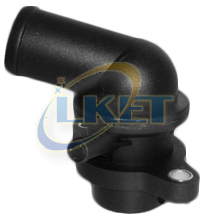
How do I know if my heater control valve is bad?
author: Rosa
2025-06-13
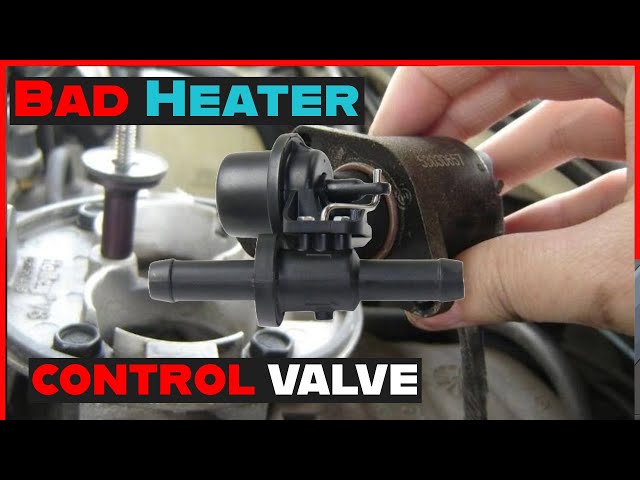
A faulty heater control valve may exhibit a variety of symptoms, including no heat, continued heating even when the air conditioner is turned on, unstable heat output, coolant leakage, low coolant level, and possible engine overheating. The valve may become stuck in the closed position, blocking coolant flow to the heater core, or stuck in the open position, causing coolant to flow continuously and generate excessive heat.
The following is a more detailed description of the symptoms:
No heat:
If the valve is stuck in the closed position, coolant cannot flow through the heater core, preventing the vents from producing warm air.
Continuous heating:
If the valve is stuck in the open position, coolant will continue to flow through the heater core, even when you expect the air conditioning to blow cold air.
Unstable heating:
The heater temperature may fluctuate regardless of your settings, indicating that the valve cannot accurately regulate coolant flow.
Coolant Leakage:
A leaking heater control valve may cause coolant to drip, resulting in low coolant levels.
Low Coolant Level:
If the coolant level continues to drop, it may be due to a leaking heater control valve.
Engine Overheating:
If coolant circulation is impaired due to valve failure, the engine may overheat.
Oxygen Sensor Product Types and Application Compatibility Explained
Where is the abs sensor installed
Related Article

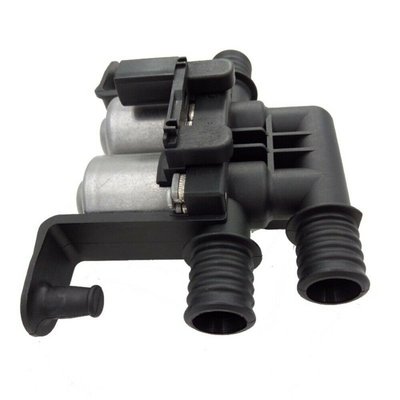
This guide outlines five key indicators for selecting a high-quality heater control valve: core materials (brass/stainless steel), sealing performance (FKM/EPDM seals), control method and accuracy, compatibility and craftsmanship, and brand reputation with warranty. By evaluating these factors, buyers can ensure durability, prevent leaks, and secure reliable winter heating for their vehicle.
Buying Guide: Five Key Indicators to Identify a High-Quality Heater Control Valve
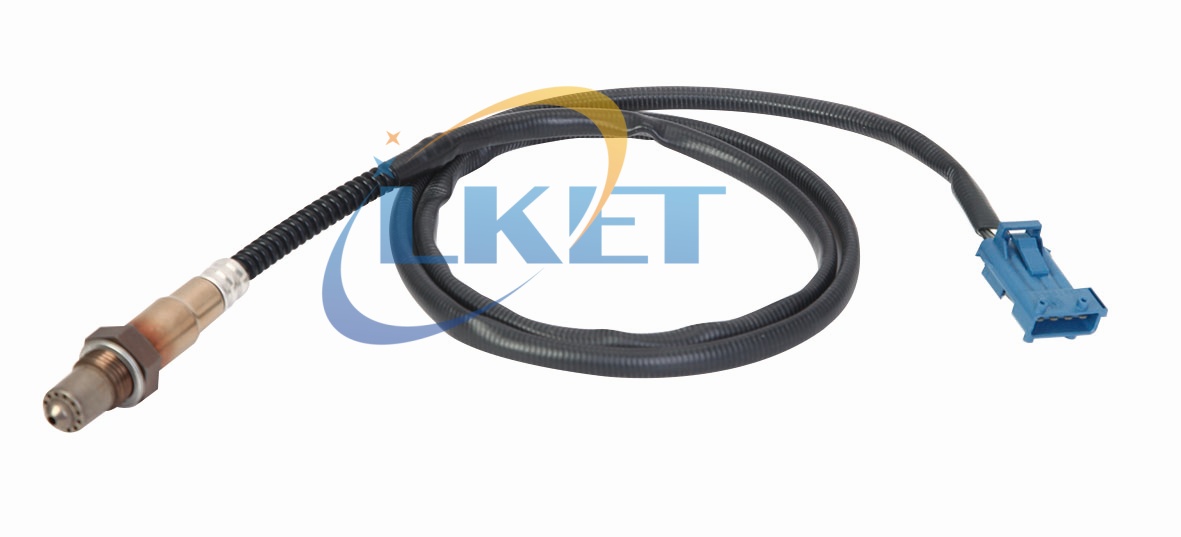
This article compares OEM and brand-name oxygen sensors, highlighting key factors for choosing between them. It explains that OEM parts ensure perfect compatibility and stability at a higher cost, while reputable brand-name parts offer significant savings and comparable performance for out-of-warranty vehicles. The guide recommends selecting reliable brands based on warranty status, vehicle model, and usage needs.
OEM Parts vs. Brand-Name Parts: How to Choose a Reliable Oxygen Sensor?