How Does an ABS Sensor Work?
author: W
2025-05-30
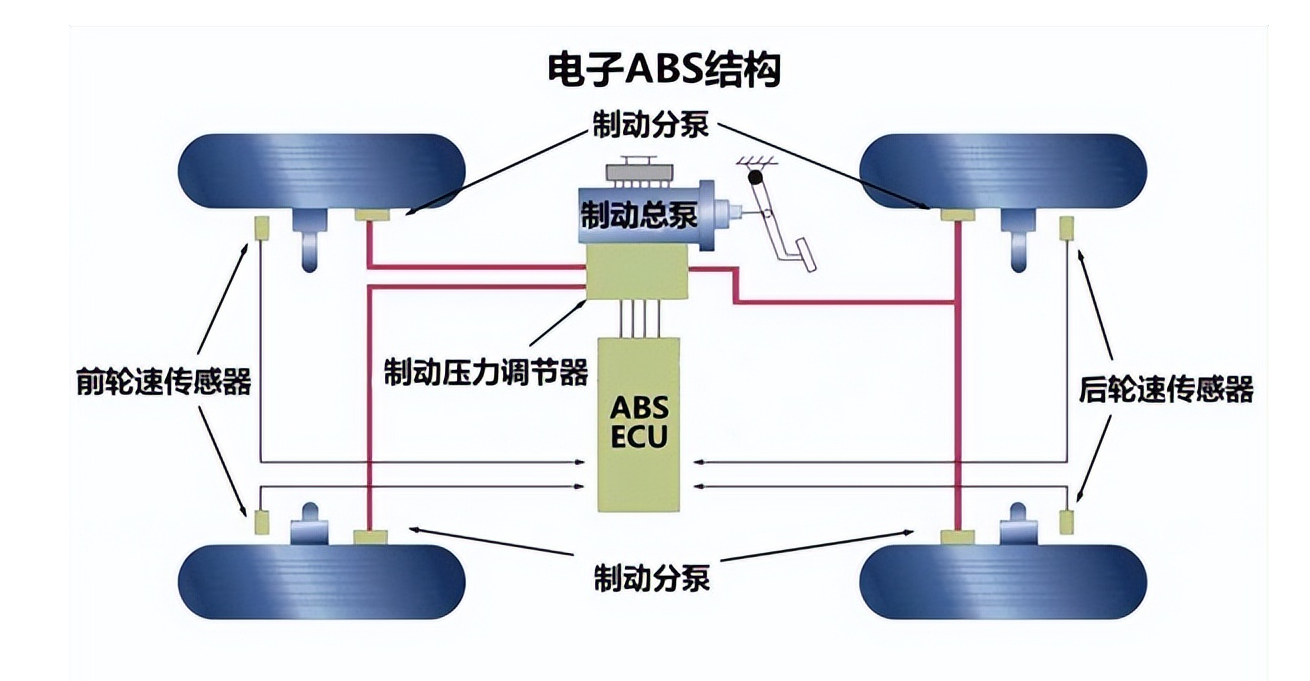
In the intricate realm of automotive safety engineering, the ABS (Anti-lock Braking System) sensor stands as an indispensable guardian, playing a pivotal role in safeguarding vehicle stability and control during braking maneuvers. As a fundamental component of the ABS, which is meticulously designed to prevent wheel lockup and maintain traction, inductive sensors are predominantly utilized to monitor the rotational velocity of each wheel with utmost precision. These sensors work in harmonious concert with a toothed reluctor ring, a precisely machined component that is securely affixed to the wheel hub, ensuring seamless synchronization with the wheel's rotational motion.
When the wheel is in rotation, the inductive ABS sensor deftly exploits the principle of electromagnetic induction, a cornerstone concept in electrical engineering. As the teeth and gaps of the reluctor ring alternately pass by the sensor, they cause fluctuations in the magnetic field surrounding the sensor's coil. In strict accordance with Faraday's law of electromagnetic induction, these changes in magnetic flux induce an electromotive force, generating a series of quasi-sinusoidal alternating current (AC) signals. The dynamic interplay between the reluctor ring and the sensor is a testament to the elegance of engineering design. Notably, the frequency and amplitude of these induced electrical signals exhibit a direct and proportional relationship with the wheel's rotational speed. For instance, at higher wheel speeds, the teeth of the reluctor ring pass the sensor more rapidly, leading to a higher frequency of signal alternations and a corresponding increase in amplitude. Conversely, lower wheel speeds result in a reduced frequency and amplitude, providing a clear and quantifiable indication of the wheel's rotational dynamics.
These precisely calibrated electrical signals, rich with information about the wheel's speed, are then transmitted instantaneously to the ABS Electronic Control Unit (ECU), often regarded as the "brain" of the ABS system. The ECU, equipped with advanced microprocessors and sophisticated algorithms, functions as a highly efficient data processing hub. It continuously samples these incoming waveforms at extremely high frequencies, performing complex mathematical computations to convert the raw electrical signals into accurate and real-time measurements of wheel speed. By monitoring the rotational behavior of each wheel with millisecond precision, the ECU can promptly detect any anomalies or impending wheel lockup situations. Once such a critical condition is identified, the ECU springs into action, precisely modulating the braking pressure applied to each wheel through a series of rapid and coordinated commands. This dynamic adjustment of braking force ensures that the wheels maintain optimal traction with the road surface, enabling the driver to retain steering control and significantly enhancing overall vehicle safety, especially during emergency braking or on slippery road conditions.
Based on installation location and structure, they are mainly classified into two categories:
1. Wheel Speed Sensors
Directly installed near the wheels (e.g., on the hub, axle shaft, or brake caliper), these sensors monitor the rotational speed of individual wheels and serve as the foundational components of ABS. They are divided into front-wheel sensors and rear-wheel sensors, with some vehicle models featuring independent monitoring for all four wheels.
2. Integrated Sensors
Integrated with other systems (such as bearings or hub units), these sensors simultaneously provide data on wheel speed, steering angle, and other parameters. They are commonly found in high-end vehicle models or new energy vehicles.
Where is the abs sensor installed
Automotive Oxygen Sensor Analysis
Related Article

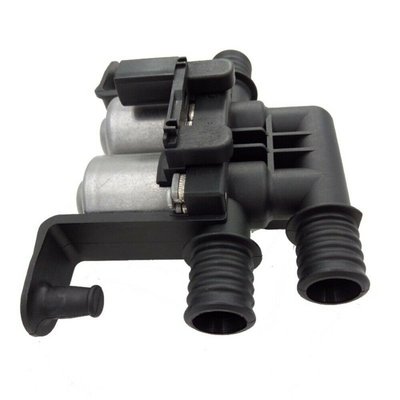
This guide outlines five key indicators for selecting a high-quality heater control valve: core materials (brass/stainless steel), sealing performance (FKM/EPDM seals), control method and accuracy, compatibility and craftsmanship, and brand reputation with warranty. By evaluating these factors, buyers can ensure durability, prevent leaks, and secure reliable winter heating for their vehicle.
Buying Guide: Five Key Indicators to Identify a High-Quality Heater Control Valve
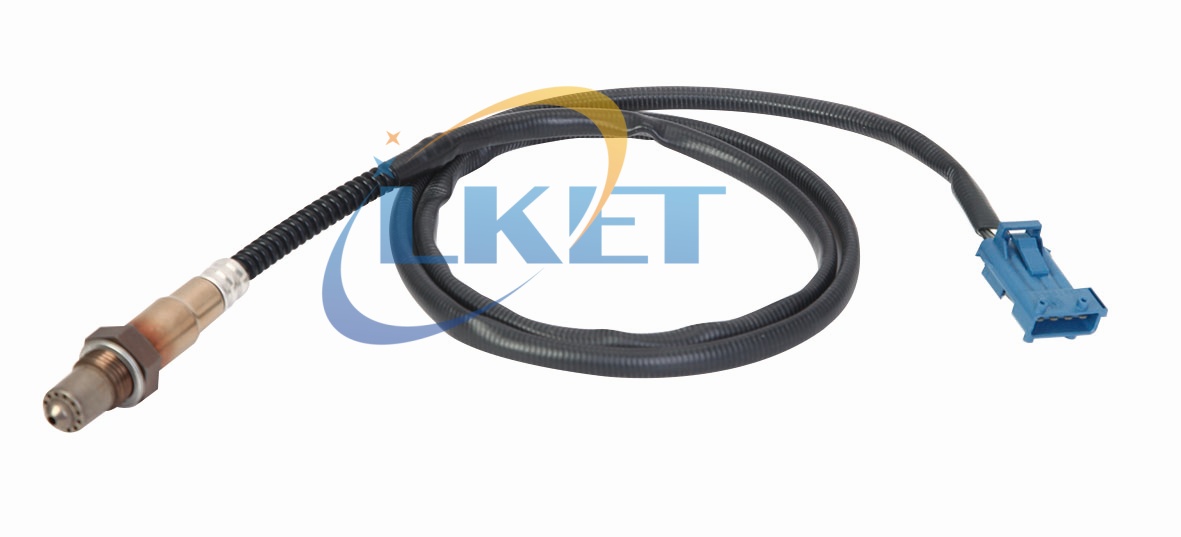
This article compares OEM and brand-name oxygen sensors, highlighting key factors for choosing between them. It explains that OEM parts ensure perfect compatibility and stability at a higher cost, while reputable brand-name parts offer significant savings and comparable performance for out-of-warranty vehicles. The guide recommends selecting reliable brands based on warranty status, vehicle model, and usage needs.
OEM Parts vs. Brand-Name Parts: How to Choose a Reliable Oxygen Sensor?