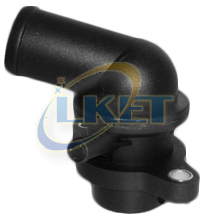
What does the heater control valve control?
author: Rosa
2025-05-16
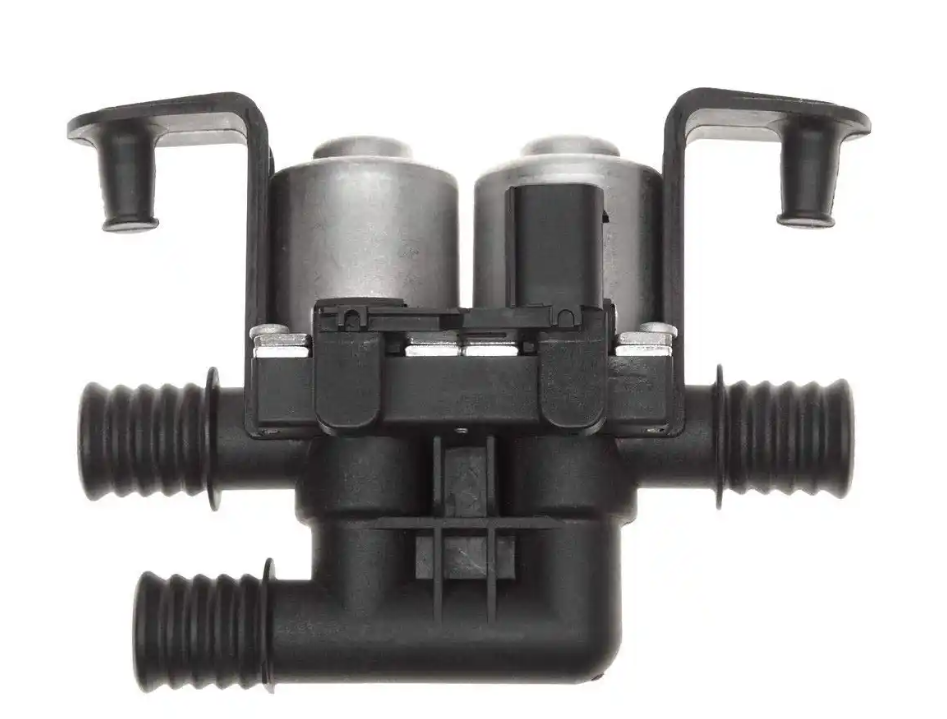
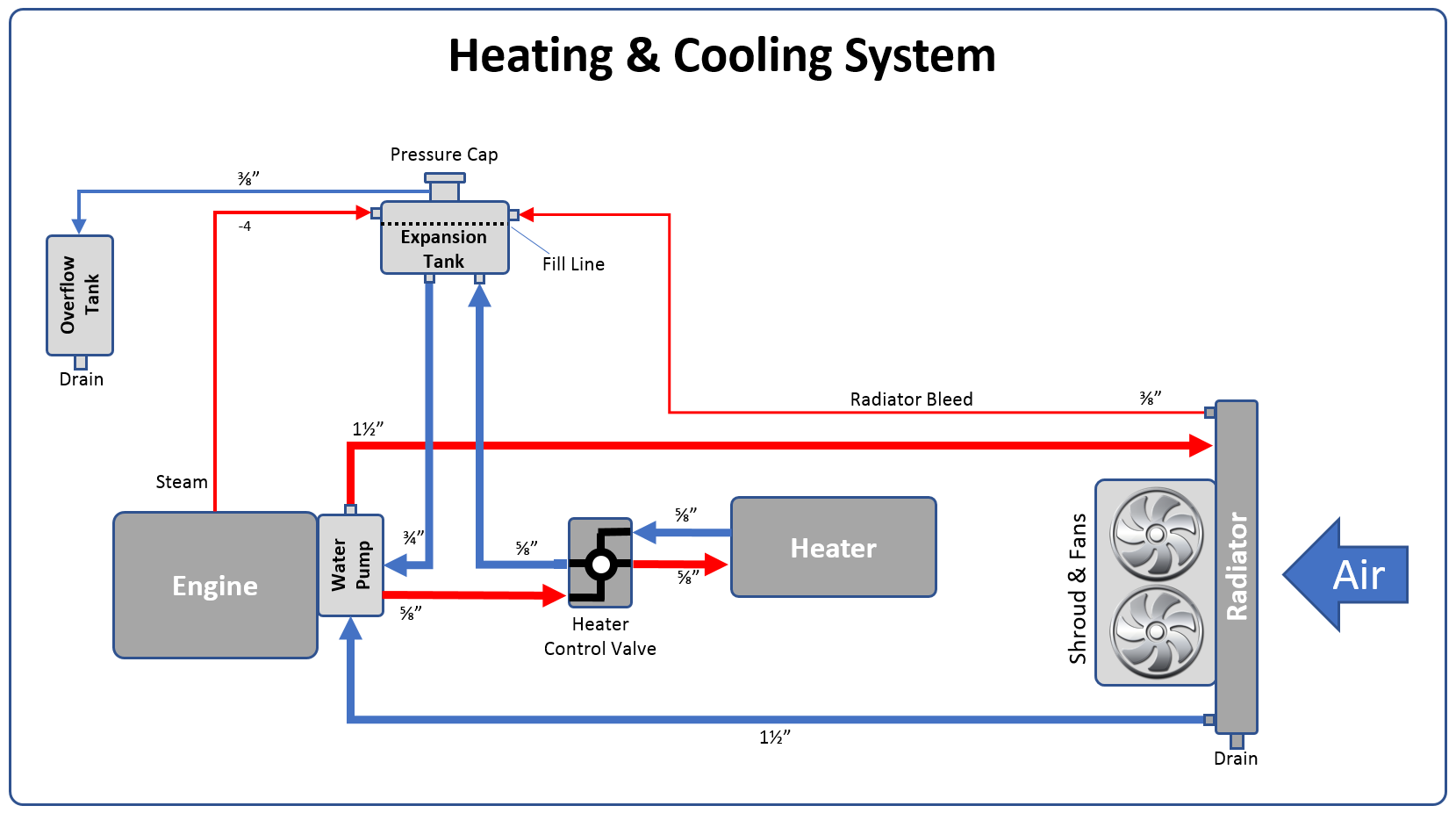
The role of the heater control valve is to control the cooling and heating of the automotive air conditioning heating system to ensure that the car maintains the appropriate temperature. It is like the car air conditioning system “temperature commander”, according to the temperature needs of the car, flexible adjustment of the water flow of the heating tank. When the temperature is high, it closes the valve to prevent overheating; when the temperature is low, it opens the valve to allow hot water to enter, bringing warmth to the car. In addition, it can also assist the engine to realize different cycle modes to ensure stable engine temperature and enhance the comfort of the cockpit.
From a structural point of view, the heater control valve usually consists of a valve body, valve cover, valve piece and vacuum capsule assembly. The valve body adopts a four-way pipe structure, with a drain pipe, outlet pipe and cold water inlet pipe, etc., while the valve cover is connected to the warm water inlet pipe and sealed with the valve body. The valve stem is an extremely critical component, which is located in the center of the valve body, the outer part of the body is bent and connected with the vacuum capsule assembly. When the vacuum level changes, the valve stem will rotate, so as to accurately control the direction and flow of water, while the oval metal valve plate on the valve stem is responsible for the effective control of hot and cold water flow. This clever structural design makes the warm air water valve simple in structure and easy to process, which not only reduces the cost, but also ensures reliable action and more flexible and convenient installation.
In the automobile air conditioning system, the heater control valve plays an irreplaceable role. It is like an intelligent temperature adjustment hub, by adjusting the water flow direction and flow, to ensure that the car is always in a comfortable temperature environment. Imagine, in the cold winter, when the temperature inside the car is low, the warm air water valve opens in time, so that the hot water produced by the engine smoothly into the car's heater radiator, the cold air is heated and then blown into the car, for the drivers and passengers to bring a warm and cozy feeling; and in the hot summer, when the temperature inside the car is too high, the heater valve closes quickly to prevent hot water from entering the car to avoid further increase in temperature, thus creating a cool and comfortable space. cool and comfortable space.
At the same time, the heater control valve is also the switch of the radiator of the heater and the engine circulating water connecting pipeline, which is closely connected with the engine circulating water circuit, and can change the flow of cooling water. Under the control of the thermostat, it realizes the small cycle, large cycle or mixed cycle. This not only ensures that the engine is always in the appropriate operating temperature range, but also meets the needs of the warm air system, providing strong support for temperature regulation in the car. If there is a problem with the warm air water valve, it will lead to the failure of temperature regulation in the car, the air temperature of the vents can not be accurately controlled, and in the automatic mode can not realize the constant temperature, which seriously affects the comfort of the cockpit.
In short, although the heater control valve seems to be a small part of the car in many parts, but it is in the automobile air conditioning heating system and engine circulation system plays a vital role. Its normal operation is one of the key factors to ensure that the temperature inside the car is appropriate and the engine works stably, bringing comfort and peace of mind to our driving journey.
Automotive Oxygen Sensor Analysis
QUESTION ABOUT OXYGEN SENSOR
Related Article

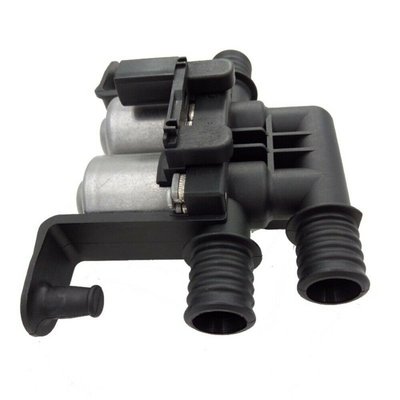
This guide outlines five key indicators for selecting a high-quality heater control valve: core materials (brass/stainless steel), sealing performance (FKM/EPDM seals), control method and accuracy, compatibility and craftsmanship, and brand reputation with warranty. By evaluating these factors, buyers can ensure durability, prevent leaks, and secure reliable winter heating for their vehicle.
Buying Guide: Five Key Indicators to Identify a High-Quality Heater Control Valve
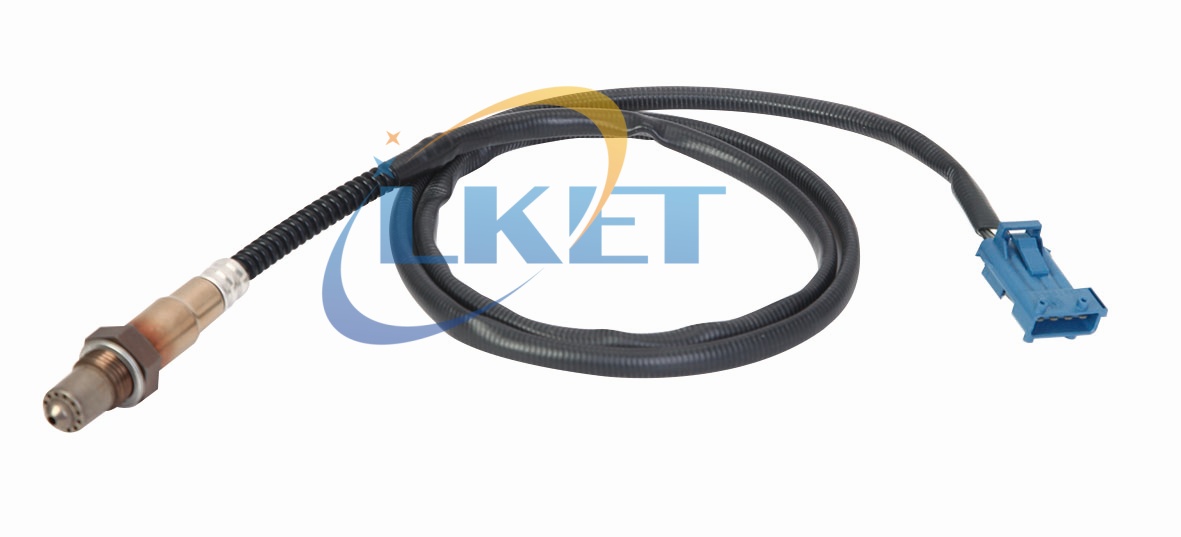
This article compares OEM and brand-name oxygen sensors, highlighting key factors for choosing between them. It explains that OEM parts ensure perfect compatibility and stability at a higher cost, while reputable brand-name parts offer significant savings and comparable performance for out-of-warranty vehicles. The guide recommends selecting reliable brands based on warranty status, vehicle model, and usage needs.
OEM Parts vs. Brand-Name Parts: How to Choose a Reliable Oxygen Sensor?